
The Great Dough-mestic Debate: Where Italian Tradition Meets Japanese Perfection
If you told a Neapolitan pizza purist that the best slice of their life might actually be found in a basement in Tokyo, they would probably chase you out of the piazza with a rolling pin. But life is full of surprises, and the culinary world is currently witnessing a delicious coup d’état. Welcome to the era of Pizza in Japan: Where Italian Tradition Meets Japanese Perfection, a place where the crust is holy, the wood-fire ovens are imported from Vesuvius, and the chefs have a level of focus that makes a brain surgeon look distracted.
The Obsession is Real (And Slightly Terrifying)
Japan doesn’t just “do” hobbies; they master them until the original creators start feeling insecure. When Japanese pizzaiolos decided to tackle the Margherita, they didn’t just buy some flour and hope for the best. They flew to Naples, apprenticed for a decade, learned the specific humidity levels of Southern Italy, and then came back to Japan to build ovens using volcanic rock from the same region.
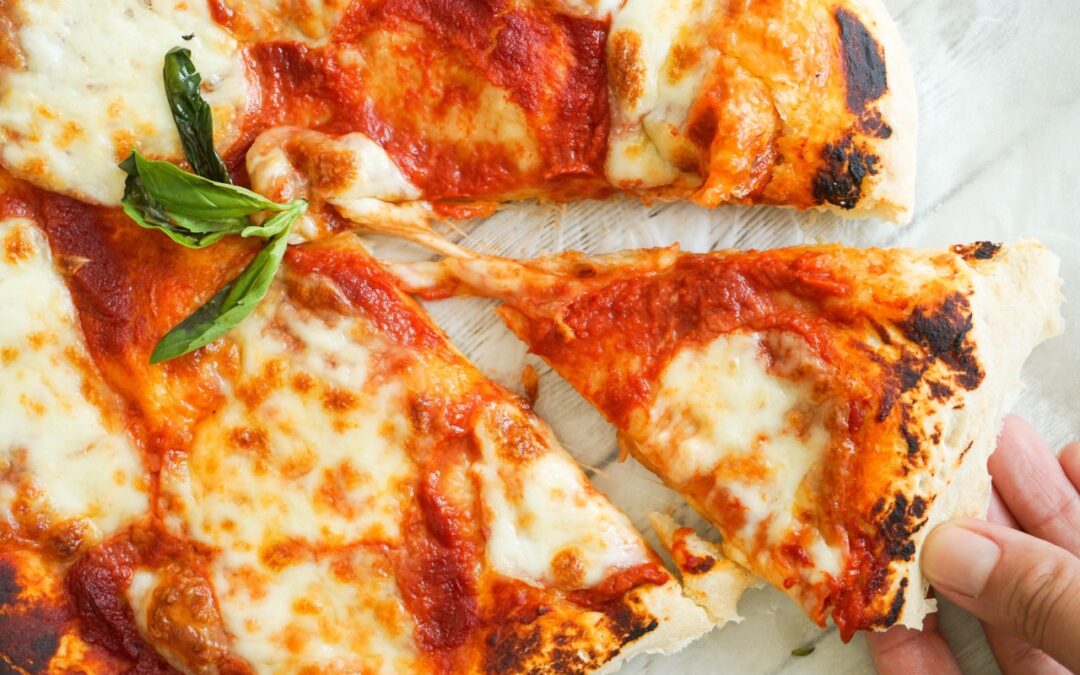
The result? A pizza that adheres to the Associazione Verace Pizza Napoletana rules more strictly than the Italians themselves. We’re talking about a crust so blistered and airy it looks like a beautiful leopard, and a center so molten it requires a literal prayer to eat without dropping sauce on your Uniqlo shirt.
The Toppings: From San Marzano to… Squid Ink?
Here is where the “Japanese Perfection” part gets spicy—or fishy. There are two paths you can take when exploring Pizza in Japan: Where Italian Tradition Meets Japanese Perfection.
Path A is the Purist Path. You sit at a counter, silent, watching a man in a white headband treat a disc of dough like a sacred scroll. He uses three basil leaves—exactly three—and a drizzle of olive oil applied with the precision of a master calligrapher. It is, quite frankly, a spiritual experience.
Path B is the “Because We Can” Path. This is where Japanese creativity goes off the rails in the best way possible. Have you ever looked at a pizza and thought, “This really needs fermented soybeans (Natto), shredded seaweed, and a mountain of Japanese mayonnaise?” No? Well, Japan did. And against all laws of God and man, it actually tastes incredible. The Japanese gift for Umami means that even the wildest toppings, like succulent teriyaki chicken or creamy Mentaiko (cod roe), are balanced with a finesse that keeps the pizza from becoming a soggy mess.
The “Stuffed Crust” of Social Etiquette
Eating pizza in Japan is also a lesson in manners. In New York, you fold a slice and shove it into your face while walking to a subway. In Japan, even a “casual” pizza joint feels like a symphony. The service is impeccable, the beer is ice-cold, and the attention to detail extends to the tiny scissors they sometimes give you to snip your crust.
There is a quiet dignity in the way a Japanese chef monitors the fire. They aren’t just cooking; they are communing with the dough. It’s that legendary Kodawari—the uncompromising pursuit of perfection—that makes the Japanese pizza scene arguably the best in the world right now.
The Verdict: Better Than the Original?
Is it better than Italy? That’s a dangerous question to answer if you value your life, but let’s just say that if perfection is the goal, Japan is currently holding the trophy. Whether it’s a classic Neapolitan that makes you want to weep big man pizza or a seafood-and-corn fever dream that defies logic, the pizza scene here is a testament to what happens when you combine ancient European soul with modern Japanese discipline.
So, next time you’re in Osaka or Tokyo, put down the sushi for one night. Grab a seat at a wood-fired counter and prepare for a transformation. Just don’t tell your nonna you liked the Mochi-crust pizza—some secrets are better left in the oven.
Would you like me to curate a list of the top three “hidden gem” pizzerias in Tokyo that actually beat the famous Michelin-starred ones?


