
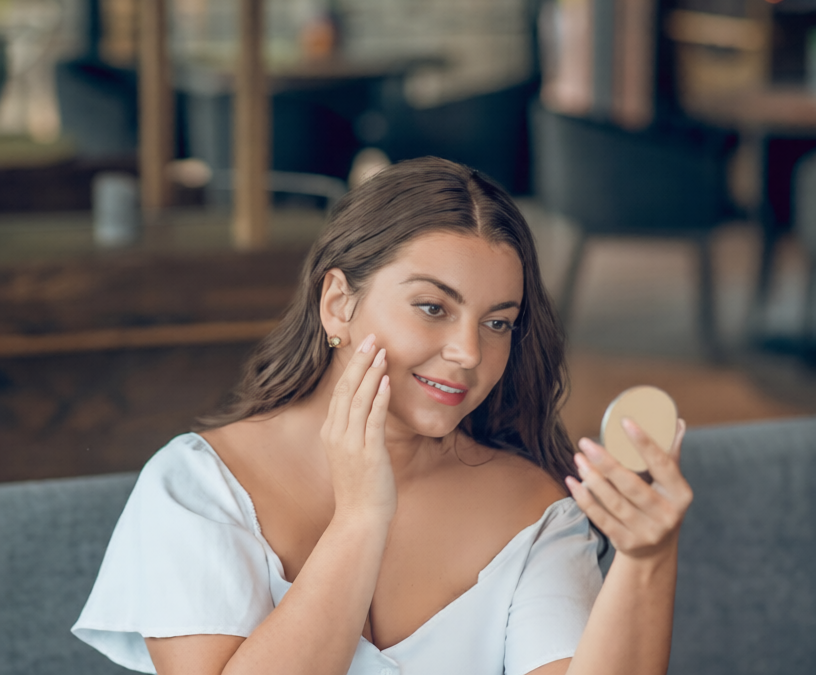
Stress is a part of modern life, but its effects go far beyond your mood or mental well-being—it can show up directly on your skin. From unexpected breakouts to dullness and sensitivity, your skin often reflects what’s happening inside your body. When stress becomes chronic, it disrupts your natural balance, making it harder to maintain that healthy, radiant glow.
Many people try to fix these issues with skincare products alone, but the truth is that achieving glowing skin requires a deeper approach. While products like 9 wishes rice toner can support hydration and brightness, lasting results come from managing stress and adopting skin-friendly habits that work from the inside out.
Understanding the Connection Between Stress and Skin Health
Your skin and mind are more connected than you might think. This connection is often referred to as the “mind-skin axis.” When you’re stressed, your body releases hormones like cortisol, which can trigger changes in your skin’s behavior.
Cortisol increases oil production in your sebaceous glands, which can clog pores and lead to acne. At the same time, stress weakens your skin’s protective barrier, making it more prone to irritation, dryness, and environmental damage.
Over time, chronic stress can even accelerate the aging process by breaking down collagen and elastin—the proteins responsible for keeping your skin firm and youthful.
How Stress Hormones Affect Your Skin
Stress activates your body’s “fight or flight” response, releasing hormones that prepare you to handle danger. While this response is helpful in short bursts, prolonged exposure can have negative effects on your skin.
Cortisol, the primary stress hormone, plays a major role here. Elevated cortisol levels can:
- Increase oil production, leading to acne
- Cause inflammation, making conditions like eczema and psoriasis worse
- Slow down skin healing and recovery
- Break down collagen, contributing to wrinkles and fine lines
Adrenaline, another stress hormone, can reduce blood flow to the skin, making it appear dull and tired. This is why your skin often lacks its natural glow during stressful periods.
Common Skin Problems Triggered by Stress
Stress doesn’t affect everyone’s skin in the same way, but there are several common issues that many people experience:
Acne Breakouts: One of the most noticeable effects of stress is sudden acne. Even people who usually have clear skin may experience breakouts during high-pressure situations.
Dryness and Sensitivity: Stress can damage your skin barrier, leading to dryness, redness, and increased sensitivity to products.
Premature Aging: Chronic stress accelerates the breakdown of collagen, resulting in fine lines, wrinkles, and sagging skin.
Dark Circles and Puffiness: Lack of sleep caused by stress often leads to tired-looking eyes and under-eye bags.
Flare-Ups of Skin Conditions: Conditions like eczema, rosacea, and psoriasis can worsen significantly under stress.
Signs Your Skin Is Stressed Out
Sometimes, your skin gives subtle signals before major issues appear. Recognizing these early signs can help you take action quickly:
- Sudden dullness or uneven tone
- Increased oiliness or unexpected dryness
- Frequent breakouts in unusual areas
- Redness or irritation without a clear cause
- Slower healing of blemishes or cuts
Paying attention to these signs allows you to adjust your routine and lifestyle before the problem worsens.
The Science Behind Stress-Induced Breakouts
When stress triggers excess oil production, your pores can become clogged with sebum, dead skin cells, and bacteria. This creates the perfect environment for acne to develop.
Additionally, stress-related inflammation can make existing pimples more swollen and painful. It can also weaken your immune response, making it harder for your skin to fight acne-causing bacteria.
This combination of factors explains why stress breakouts often feel more severe and take longer to heal than regular acne.
Daily Habits to Reduce Stress for Healthier Skin
Improving your skin starts with reducing stress in your daily life. Small, consistent habits can make a big difference:
Practice Deep Breathing: Just a few minutes of deep breathing each day can calm your nervous system and lower cortisol levels.
Stay Active: Regular exercise helps release endorphins, which naturally reduce stress and improve blood circulation to the skin.
Set Boundaries: Avoid overloading your schedule. Giving yourself time to rest is essential for both mental and skin health.
Limit Screen Time: Constant exposure to screens, especially before bed, can increase stress and disrupt sleep.
Skincare Routine Tips for Stressed Skin
When your skin is stressed, it’s important to keep your skincare routine simple and gentle. Overloading your skin with too many products can make things worse.
Focus on Hydration: Use lightweight moisturizers and hydrating toners to restore your skin barrier.
Avoid Harsh Ingredients: Stay away from strong exfoliants or products with high alcohol content that can irritate your skin.
Use Sunscreen Daily: Stress already weakens your skin, so protecting it from UV damage is crucial.
Cleanse Gently: Use a mild cleanser to remove dirt and oil without stripping your skin’s natural moisture.
The Role of Sleep in Skin Repair and Glow
Sleep is one of the most powerful tools for maintaining healthy skin. During sleep, your body repairs damaged cells and produces new ones.
Lack of sleep increases cortisol levels, which can lead to inflammation and breakouts. It also reduces blood flow to the skin, causing a dull complexion.
Aim for 7–9 hours of quality sleep each night. Creating a calming bedtime routine, such as reading or meditating, can help you fall asleep faster and improve sleep quality.
Foods That Help Combat Stress and Improve Skin
What you eat plays a significant role in how your skin responds to stress. A balanced diet can support both your mental health and your skin’s appearance.
Antioxidant-Rich Foods: Fruits and vegetables like berries, spinach, and carrots help fight oxidative stress.
Omega-3 Fatty Acids: Found in fish, walnuts, and flaxseeds, these help reduce inflammation.
Whole Grains: Foods like oats and brown rice help regulate blood sugar levels, preventing stress-related breakouts.
Hydration: Drinking enough water keeps your skin hydrated and supports its natural functions.
Mindfulness and Relaxation Techniques for Better Skin
Mindfulness practices can significantly reduce stress and improve your overall well-being. These techniques don’t require much time but can have lasting benefits:
- Meditation for mental clarity and relaxation
- Yoga to combine physical movement with stress relief
- Journaling to process thoughts and emotions
- Spending time in nature to recharge your mind
By calming your mind, you indirectly support your skin’s ability to heal and maintain its glow.
Natural Remedies to Soothe Stress-Affected Skin
If your skin is reacting to stress, natural remedies can provide gentle relief:
Aloe Vera: Known for its soothing and anti-inflammatory properties.
Chamomile: Helps calm irritated skin and reduce redness.
Green Tea: Rich in antioxidants that protect and repair the skin.
Honey: A natural humectant that keeps your skin hydrated and soft.
These remedies can complement your skincare routine without causing additional irritation.
When to See a Dermatologist for Stress-Related Skin Issues
While many stress-related skin problems can be managed at home, some situations require professional help.
If you experience persistent acne, severe irritation, or worsening skin conditions, it’s best to consult a dermatologist. They can recommend treatments tailored to your specific needs and help you manage both the symptoms and underlying causes.
Long-Term Strategies to Maintain Your Natural Glow
Achieving healthy, glowing skin isn’t about quick fixes—it’s about consistency and balance. Managing stress, maintaining a healthy lifestyle, and following a gentle skincare routine all work together to support your skin.
Make self-care a priority, not a luxury. Whether it’s taking a walk, getting enough sleep, or simply giving yourself a few moments of peace each day, these habits will reflect positively on your skin.
In the end, your natural glow comes from within. By taking care of your mind and body, you create the perfect foundation for healthy, radiant skin that lasts.


