
In modern construction, we depend heavily on underground electrical and communication systems. Every building, highway, airport, hospital, and factory needs safe pathways for power cables and data lines. If these cables fail, businesses stop, traffic systems break down, and communication networks collapse. That is why contractors and engineers choose strong protection systems like a precast duct bank.
A precast duct bank offers a safe, durable, and efficient way to protect underground utilities. In this blog, we will explain what a precast duct bank is, how it works, its benefits, installation process, applications, and why many construction projects prefer this system today.
What Is a Precast Duct Bank?
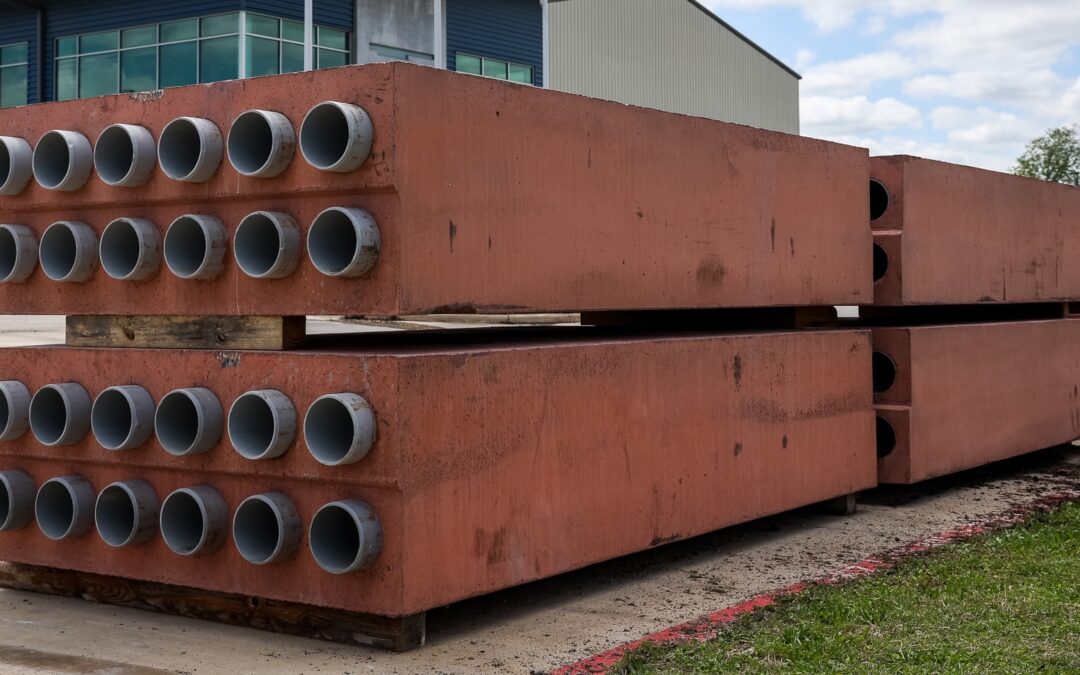
A precast duct bank is a concrete structure that holds multiple conduits inside it. Workers install it underground to protect electrical, fiber optic, and communication cables. Instead of building the structure on the job site, a manufacturer produces it in a factory. The company pours and cures the concrete in controlled conditions. After that, they deliver the finished sections to the construction site.
Workers place the precast sections into a prepared trench and connect them. Then they pull cables through the conduits inside the duct bank.
This method differs from the traditional cast-in-place method, where workers assemble conduits and pour concrete directly at the site. Precast systems save time and improve quality because the manufacturer controls production.
Why Underground Utility Protection Is Important
Underground cables face many risks. Soil pressure, heavy traffic loads, water exposure, and accidental digging can damage them. If cables break, repairs cost time and money. Service interruptions can also affect thousands of people.
A precast duct bank protects cables from:
-
Physical damage
-
Moisture and corrosion
-
Ground movement
-
Heavy vehicle loads
-
Temperature changes
Because of this protection, utility systems last longer and perform better.
How a Precast Duct Bank Works
A precast duct bank includes several key components:
-
Reinforced concrete outer structure
-
Multiple PVC or other durable conduits
-
Steel reinforcement bars
-
Spacers to maintain proper conduit spacing
The manufacturer designs the duct bank based on project needs. Engineers decide how many conduits the system requires and what size they should be. They also calculate load requirements depending on whether the duct bank will sit under a road, parking lot, or open ground.
Once workers install the duct bank underground, they pull electrical or communication cables through the conduits. The concrete encasement protects the conduits and cables from outside pressure and damage.
Benefits of Using Precast Duct Bank
1. Faster Installation
Precast duct banks significantly reduce construction time. Workers do not need to assemble conduit systems or pour concrete at the site. They simply place the ready-made sections into position.
Because the concrete has already cured in the factory, crews do not need to wait for curing time. This speed allows other construction activities to continue without delay.
2. Better Quality Control
Manufacturers produce precast duct banks in controlled factory environments. They carefully monitor materials, reinforcement placement, curing temperature, and quality testing. This process ensures consistent strength and durability.
On-site concrete pouring depends heavily on weather and labor conditions. Factory production eliminates many of these risks.
3. Improved Job Site Safety
Precast systems reduce the amount of work performed on-site. Workers handle fewer materials, perform less mixing, and operate fewer machines. This reduction lowers the risk of accidents and injuries.
When contractors use precast duct banks, they create a cleaner and safer work environment.
4. Strong and Durable Structure
Concrete provides excellent strength. A properly designed precast duct bank can handle heavy loads from trucks, buses, and industrial equipment. It also resists soil pressure and environmental damage.
Because of this strength, precast duct banks often last for 50 years or more.
5. Reduced Weather Delays
Rain, cold temperatures, or extreme heat can delay cast-in-place concrete work. Precast production happens indoors in a factory, where workers control conditions. This process prevents weather-related delays.
Contractors can install precast duct banks in many weather conditions because the concrete has already cured.
6. Lower Long-Term Maintenance Costs
Precast duct banks protect cables from damage, which reduces repair needs. Fewer repairs mean lower maintenance costs over time. Although the initial cost may sometimes be slightly higher than traditional systems, the long-term savings make precast a smart investment.
Common Applications of Precast Duct Bank
Many industries rely on precast duct bank systems.
Commercial Construction
Shopping centers, office buildings, schools, and hospitals need reliable underground electrical systems. Precast duct banks provide strong protection for power and communication lines.
Industrial Facilities
Factories and warehouses operate heavy machinery and large trucks. These facilities require durable underground systems that can handle high loads. Precast duct banks provide the necessary strength.
Utility Infrastructure
Power companies and communication providers install duct banks for large-scale distribution systems. Infrastructure guidelines from organizations like the Federal Highway Administration often emphasize durable underground utility solutions. Precast systems help meet these standards.
Airports and Transportation Projects
Airports and train stations depend on continuous power and communication systems. Engineers choose precast duct banks because they offer long service life and reliable protection.
Data Centers
Data centers require stable and secure power supply systems. Precast duct banks protect sensitive cables and prevent service interruptions.
Precast vs. Cast-In-Place Duct Bank
Many contractors compare these two systems before making a decision.
Installation Speed
Precast duct banks install much faster. Workers do not wait for concrete curing at the job site.
Quality Consistency
Factory production ensures uniform quality. Cast-in-place systems depend more on field conditions.
Labor Requirements
Precast systems require fewer workers on-site. This reduction lowers labor costs and simplifies project management.
Project Scheduling
Faster installation shortens overall project timelines. Contractors can complete projects sooner and reduce delays.
Design Considerations
Engineers carefully plan each precast duct bank project. They consider several factors:
Load Capacity
If the duct bank sits under a roadway or parking lot, it must support heavy vehicle loads. Engineers design thicker concrete walls and stronger reinforcement when needed.
Number and Size of Conduits
Projects with higher electrical demand require more conduits. Engineers calculate cable sizes and determine the proper conduit dimensions.
Soil Conditions
Soft or unstable soil may require additional support or special design adjustments.
Drainage
Water accumulation can damage cables. Designers include proper drainage solutions to prevent water buildup.
Future Expansion
Some projects include extra conduits for future utility expansion. This planning saves time and money later.
Installation Process Step by Step
Workers follow a clear process to install a precast duct bank:
First, they survey and mark the installation path. Then they excavate the trench to the required depth and width.
Next, they prepare the base by compacting soil or adding gravel for stability. A stable base ensures proper alignment.
After preparing the trench, workers carefully lower the precast sections into place using cranes or lifting equipment. They align and connect each section securely.
Once installation is complete, they backfill the trench and compact the soil. Finally, technicians pull cables through the conduits.
This organized process ensures long-term performance and reliability.
Environmental Advantages
Precast duct banks also support sustainable construction practices.
Factories reduce material waste by controlling production. They reuse molds and manage leftover materials efficiently.
Faster installation reduces fuel consumption from heavy machinery. Durable structures also reduce the need for frequent repairs and replacements, which lowers environmental impact.
Many construction projects aim to meet sustainability goals. Precast systems help achieve those targets.
Long-Term Performance and Reliability
A well-designed and properly installed precast duct bank performs reliably for decades. Concrete resists corrosion, moisture, and environmental stress.
Regular inspections help ensure continued performance. Because the system protects cables so effectively, utility companies experience fewer service interruptions.
Long-term reliability makes precast duct banks ideal for critical infrastructure projects.
Choosing the Right Precast Manufacturer
Selecting an experienced precast manufacturer is important for project success. Look for a company that:
-
Follows strict quality control procedures
-
Uses high-quality materials
-
Provides custom design options
-
Meets industry standards
-
Delivers products on time
A professional manufacturer works closely with engineers and contractors to meet project specifications.
Challenges and Practical Solutions
Although precast duct banks offer many benefits, proper planning prevents problems.
Transportation requires careful handling to avoid damage. Manufacturers use secure packaging and lifting methods.
Alignment issues can occur if the trench base is uneven. Workers must prepare and compact the base properly.
In areas with poor soil conditions, engineers may design additional support systems.
With proper planning and professional installation, teams can easily manage these challenges.
Why Modern Projects Prefer Precast Duct Bank
Construction today demands speed, quality, and safety. Contractors need reliable solutions that reduce labor and shorten schedules. Precast duct banks meet these needs.
They provide strong protection, consistent quality, and long service life. They also reduce risks and improve job site efficiency.
As cities expand and infrastructure grows, dependable underground utility systems become even more important. Precast duct banks support this growth by offering safe and durable cable protection.
Final Thoughts
A precast duct bank offers a smart and reliable solution for underground utility systems. It protects electrical and communication cables from damage, reduces installation time, improves safety, and lowers long-term maintenance costs.
From commercial buildings to highways and industrial facilities, many projects now rely on precast duct bank systems. Contractors trust this method because it delivers strength, durability, and efficiency.


