
Pregnancy is a beautiful yet complex journey. During these nine months, a woman’s body goes through significant hormonal, metabolic, and physiological changes. Among the many routine investigations recommended by doctors, a Liver Function Test (LFT) often raises questions. Many expecting mothers wonder: Is it really necessary? Is it safe for the baby?
The short and reassuring answer is yes — a Liver Function Test during pregnancy is safe and, in some cases, extremely important. Let’s explore why this test matters, when it is recommended, and what it means for both mother and baby.
What Is a Liver Function Test (LFT)?
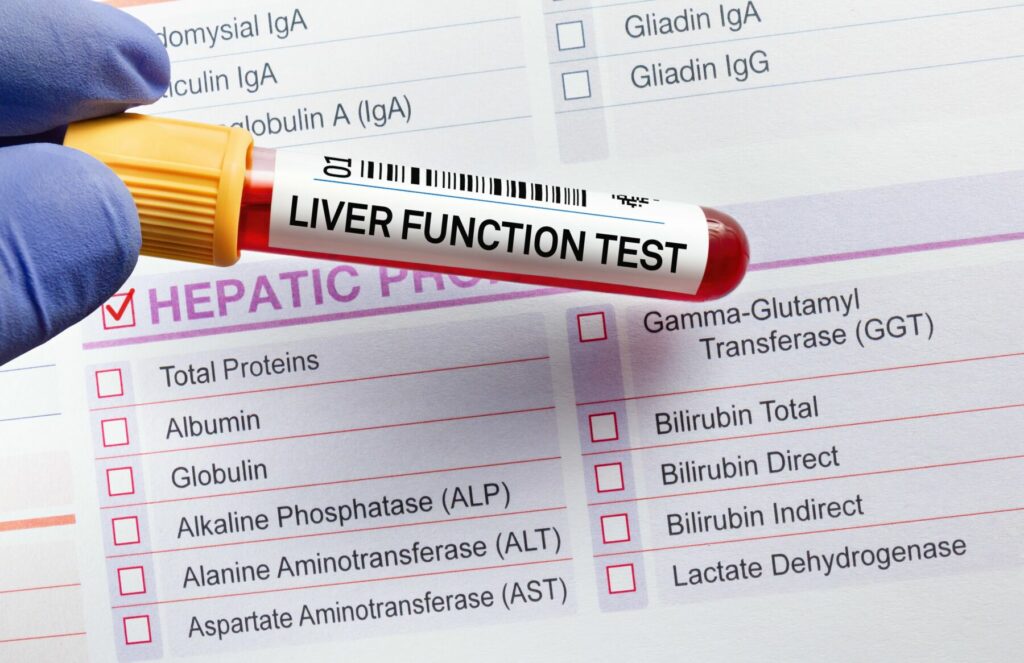
A Liver Function Test (LFT) is a simple blood test that evaluates how well your liver is working. It measures different enzymes, proteins, and substances in the blood, including ALT (Alanine aminotransferase), AST (Aspartate aminotransferase), ALP (Alkaline phosphatase), bilirubin, and albumin. These markers help doctors understand whether the liver is functioning normally or if there is inflammation, infection, or damage.
During pregnancy, the liver continues to perform its essential tasks — detoxifying the blood, producing bile, storing nutrients, and supporting metabolism. Since pregnancy increases blood volume and hormonal activity, mild variations in some LFT values can occur. However, significant abnormalities may signal conditions that require medical attention.
Why Is Liver Function Important During Pregnancy?
The liver plays a central role in maintaining overall health, and during pregnancy, its importance increases even further. It helps process nutrients that support fetal growth, removes toxins from the mother’s bloodstream, and regulates hormones. Any disturbance in liver function can potentially affect both maternal well-being and fetal development.
Certain pregnancy-related conditions, such as preeclampsia, HELLP syndrome, and intrahepatic cholestasis of pregnancy (ICP), directly impact the liver. Early detection through an LFT allows timely intervention, reducing complications. In many cases, symptoms like itching, jaundice, nausea, or upper abdominal pain may prompt doctors to recommend the test. Monitoring liver health ensures a safer pregnancy journey.
Is Liver Function Test Safe for Pregnant Women?
Yes, a Liver Function Test is completely safe during pregnancy. It involves only a standard blood sample taken from a vein in the arm. There is no radiation exposure, no medication involved, and no direct impact on the fetus. The procedure is similar to routine blood tests done for hemoglobin, glucose levels, or thyroid function.
Because it is non-invasive and quick, LFT poses no risk to either mother or baby. The only minor discomfort may be slight pain at the needle site, which resolves quickly. Doctors commonly recommend this test when symptoms suggest liver stress or when routine antenatal screenings require comprehensive monitoring.
When Is LFT Recommended During Pregnancy?
Doctors may advise a Liver Function Test in several situations during pregnancy. If a woman experiences persistent itching (especially on palms and soles), yellowing of the eyes or skin (jaundice), severe nausea beyond normal morning sickness, unexplained fatigue, or upper abdominal pain, LFT becomes important.
Additionally, if a pregnant woman has a history of liver disease, hepatitis, fatty liver, or high blood pressure, regular monitoring may be necessary. In high-risk pregnancies, LFT may be part of routine investigations. Sometimes, even abnormal blood pressure or swelling can prompt doctors to evaluate liver enzymes to rule out serious complications like HELLP syndrome.
Common Liver Conditions in Pregnancy
Several liver-related conditions can develop during pregnancy. One common condition is Intrahepatic Cholestasis of Pregnancy (ICP), which causes intense itching due to bile acid buildup. Another serious condition is HELLP syndrome (Hemolysis, Elevated Liver enzymes, Low Platelet count), often associated with severe preeclampsia.
Acute fatty liver of pregnancy, although rare, is another potentially life-threatening condition. Viral hepatitis infections can also affect pregnant women. An LFT helps detect early warning signs of these conditions. Timely diagnosis and management significantly improve outcomes for both mother and baby.
How Are LFT Results Interpreted During Pregnancy?
During pregnancy, some liver enzyme levels may slightly fluctuate due to hormonal changes and increased blood volume. For example, alkaline phosphatase (ALP) levels may naturally rise because the placenta also produces this enzyme. However, elevated ALT or AST levels may indicate inflammation or liver stress.
Doctors interpret LFT results carefully in the context of pregnancy-specific changes. They may repeat the test or recommend additional investigations like ultrasound if abnormalities are detected. It’s important not to panic over minor deviations — medical professionals consider the overall clinical picture before making any diagnosis.
How to Maintain Liver Health During Pregnancy?
Maintaining liver health during pregnancy involves simple lifestyle measures. Eating a balanced diet rich in fruits, vegetables, lean proteins, and whole grains supports liver function. Staying hydrated helps flush toxins effectively. Avoiding alcohol is essential, and medications should only be taken under medical supervision.
Regular prenatal checkups ensure early detection of any issues. Moderate physical activity, as advised by your doctor, improves metabolism and overall health. If you have a pre-existing liver condition, follow your healthcare provider’s guidance strictly. Prevention and monitoring are always better than emergency treatment.
Book Your LFT Test Today
If your doctor has advised a Liver Function Test during pregnancy, don’t delay. Early diagnosis can make a significant difference in preventing complications. You can conveniently book your LFT test from Chughtai Lab via InstaCare and get a 20% discount. Timely testing ensures peace of mind and better maternal health throughout your pregnancy journey.
Conclusion
A Liver Function Test during pregnancy is safe, simple, and often crucial for detecting potential complications early. While mild changes in liver enzymes can be normal due to pregnancy-related hormonal shifts, significant abnormalities require medical attention. The test poses no risk to the baby and provides valuable insight into maternal health.
If you experience unusual symptoms or fall into a high-risk category, consult your doctor and follow their recommendations. Taking proactive steps today can protect both you and your baby tomorrow.
Frequently Asked Questions (FAQs)
- Can pregnancy itself change LFT results?
Yes, mild changes — especially in alkaline phosphatase levels — are common due to placental production. However, significant elevations in other enzymes should always be evaluated by a doctor.
- Does LFT require fasting during pregnancy?
In most cases, fasting is not strictly required for an LFT, but your healthcare provider may give specific instructions depending on additional tests being conducted.
- How often should LFT be done during pregnancy?
It is not routinely required for all pregnancies. Doctors usually recommend it if symptoms appear or if the pregnancy is high-risk. Follow your doctor’s guidance for proper monitoring.


