
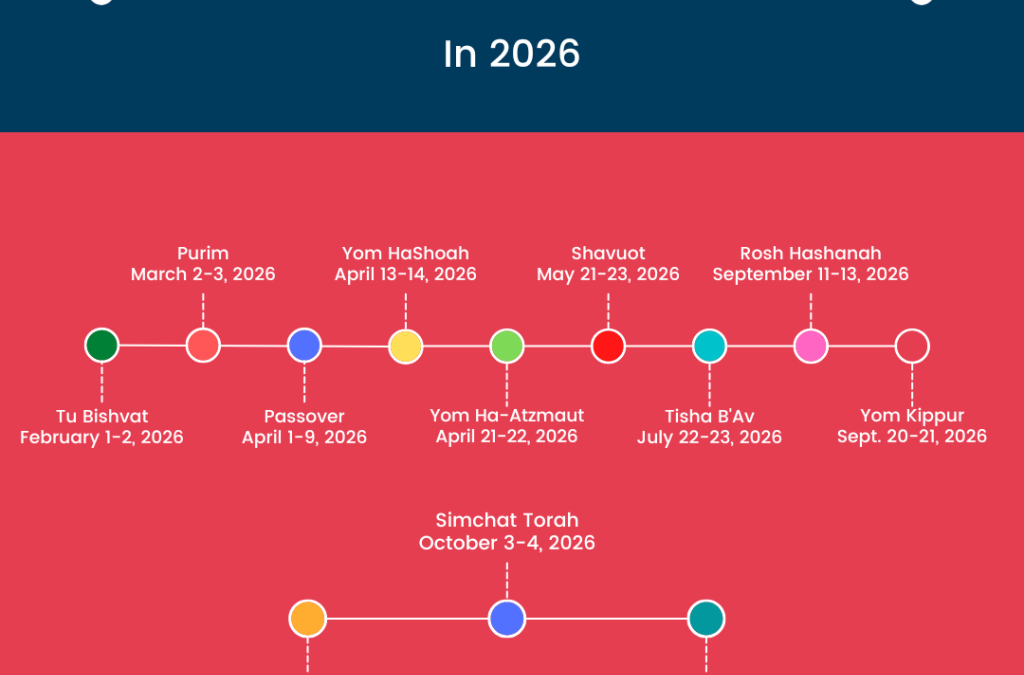
Jewish Holy Days form the spiritual heartbeat of Jewish life. Rooted in thousands of years of history, faith, and tradition, these sacred days connect Jewish communities across generations and continents. From solemn days of reflection to joyous festivals of gratitude, Jewish holidays shape identity, family life, and religious practice in profound ways.
This comprehensive guide explores the meaning, history, customs, and spiritual significance of Jewish Holy Days, offering a clear understanding of their role in modern Jewish life while honoring their ancient origins.
Understanding the Jewish Calendar
Jewish Holy Days follow the Hebrew calendar, a lunar-solar system that aligns months with the moon and years with the sun. This unique calendar ensures that festivals remain in their proper agricultural seasons, as described in the Torah.
Many Jewish holidays originate in the Torah, particularly in the Five Books of Moses. Others were established later to commemorate historical events that shaped the Jewish people. Together, they create a yearly cycle of remembrance, renewal, gratitude, and faith.
The Jewish year is not just a passage of time; it is a spiritual journey. Each holiday carries themes that guide individuals toward personal growth, community connection, and a deeper relationship with God.
The High Holy Days: A Time of Reflection and Renewal
The High Holy Days are among the most sacred days in Judaism. They include Rosh Hashanah and Yom Kippur, marking a period of introspection, repentance, and spiritual renewal.
Rosh Hashanah
Rosh Hashanah, the Jewish New Year, begins on the first day of the Hebrew month of Tishrei. It commemorates the creation of the world and marks the beginning of the Ten Days of Repentance.
On Rosh Hashanah, the shofar, a ram’s horn, is blown in synagogue services as a call to awaken spiritually. Families gather for festive meals featuring symbolic foods such as apples dipped in honey to express hopes for a sweet new year.
The themes of judgment, reflection, and renewal guide worshippers to examine their actions and seek forgiveness from others before Yom Kippur.
Yom Kippur
Yom Kippur, the Day of Atonement, is the holiest day in Judaism. It is a solemn day of fasting, prayer, and repentance.
From sunset to sunset, observant Jews refrain from eating, drinking, and engaging in physical comforts. The day is dedicated to seeking forgiveness from God and reconciling with others.
The final prayer service, Ne’ilah, closes with the sounding of the shofar, symbolizing hope and spiritual cleansing. Yom Kippur offers a powerful reminder of human responsibility and divine mercy.
Sukkot: The Festival of Booths
Sukkot begins five days after Yom Kippur and lasts seven days. It commemorates the Israelites’ journey through the desert after the Exodus from Egypt.
Families build a sukkah, a temporary outdoor structure with a roof made of branches. Meals are eaten in the sukkah to remember the temporary dwellings used during the wilderness journey.
The Four Species—lulav (palm branch), etrog (citron), hadass (myrtle), and aravah (willow)—are held and waved during prayers, symbolizing unity and gratitude.
Sukkot is both an agricultural harvest festival and a spiritual reminder of trust in God’s protection.
Shemini Atzeret and Simchat Torah
Shemini Atzeret follows Sukkot and is considered a distinct holiday. It marks a final day of assembly and prayer.
Simchat Torah, celebrated at the conclusion of Shemini Atzeret, rejoices in the completion and restarting of the annual Torah reading cycle. Congregants dance with Torah scrolls in joyful celebration, expressing love for sacred teachings.
This day highlights the central role of Torah study in Jewish life.
Passover: The Festival of Freedom
Passover, known in Hebrew as Pesach, commemorates the Exodus from Egypt and the liberation of the Israelites from slavery.
During Passover, Jews refrain from eating chametz (leavened bread) and instead eat matzah, unleavened bread symbolizing both affliction and freedom.
The Seder meal is central to Passover observance. Families gather to retell the Exodus story using the Haggadah. Symbolic foods on the Seder plate represent different aspects of slavery and redemption.
Passover emphasizes freedom, faith, and gratitude for divine deliverance.
Shavuot: The Festival of Revelation
Shavuot occurs seven weeks after Passover. It commemorates the giving of the Torah at Mount Sinai.
Many Jews stay awake on the first night of Shavuot to study Torah, a tradition known as Tikkun Leil Shavuot. Dairy foods such as cheesecake are traditionally eaten.
Shavuot highlights the covenant between God and the Jewish people and the enduring importance of Torah study.
Hanukkah: The Festival of Lights
Hanukkah celebrates the rededication of the Second Temple in Jerusalem and the miracle of the oil that burned for eight days.
Each night of Hanukkah, candles are lit on the menorah. Traditional foods fried in oil, such as latkes and sufganiyot, are enjoyed.
Hanukkah represents resilience, faith, and the triumph of light over darkness.
Purim: A Celebration of Survival
Purim commemorates the salvation of the Jewish people from a plot to destroy them in ancient Persia, as recorded in the Book of Esther.
The holiday is marked by reading the Megillah (Book of Esther), giving gifts of food, donating to charity, and enjoying festive meals.
Purim is joyful and often includes costumes, symbolizing hidden miracles and divine providence.
Tisha B’Av: A Day of Mourning
Tisha B’Av is a solemn fast day that commemorates the destruction of both the First and Second Temples in Jerusalem.
It is observed with fasting, reading the Book of Lamentations, and reflecting on tragedies in Jewish history.
Tisha B’Av reminds the Jewish people of resilience and hope for redemption.
Minor Jewish Holidays and Observances
In addition to major festivals, Jewish tradition includes other significant days such as Tu Bishvat (the New Year for Trees), Lag BaOmer, and fast days commemorating historical events.
Each observance contributes to the rhythm of Jewish spiritual life, balancing joy and remembrance.
The Spiritual Themes of Jewish Holy Days
Jewish Holy Days revolve around several core themes:
Faith and trust in God
Gratitude for blessings
Freedom and redemption
Repentance and renewal
Community and unity
Commitment to Torah and tradition
These themes remain relevant in modern times, offering guidance and inspiration for individuals and families.
Celebrating Jewish Holy Days in Modern Times
Today, Jewish communities around the world celebrate these holy days in diverse ways. Whether in Israel, North America, Europe, or elsewhere, traditions blend ancient customs with contemporary life.
Synagogues, community centers, and homes become spaces of celebration and reflection. Families often travel to gather together, emphasizing the importance of intergenerational connection.
Observance levels vary, but the shared calendar unites Jewish communities globally.
Hospitality and Jewish Holy Days
Hospitality plays a vital role during Jewish holidays. Inviting guests, sharing meals, and creating welcoming environments are cherished values.
Hotels and event venues increasingly accommodate Jewish holiday needs, offering kosher dining, synagogue access, and Shabbat-friendly amenities.
Celebrating Jewish Holy Days in a well-prepared environment allows families to focus on spiritual meaning while enjoying comfort and community.
Paamonim Hotel: A Comfortable Choice for Jewish Holiday Stays
Paamonim Hotel offers a welcoming and comfortable environment for families and visitors observing Jewish Holy Days. Located in a central area, it provides convenient access to synagogues, cultural attractions, and vibrant city life. The hotel combines modern hospitality with sensitivity to traditional needs, making it an excellent choice for guests celebrating festivals such as Passover, Sukkot, or the High Holy Days. With comfortable accommodations and attentive service, Paamonim Hotel helps create a meaningful and memorable holiday experience.
The Importance of Community During Jewish Festivals
Jewish Holy Days emphasize the importance of community. Prayer services require a minyan, communal meals strengthen bonds, and charitable giving supports those in need.
During holidays such as Purim and Passover, sharing food and assisting others are central commandments. These acts reinforce the idea that spiritual growth is inseparable from social responsibility.
Preparing for Jewish Holy Days
Preparation is an essential part of Jewish observance. Homes are cleaned before Passover, sukkot are constructed before Sukkot, and spiritual introspection precedes the High Holy Days.
Preparation transforms ordinary time into sacred time. It builds anticipation and ensures that each holiday is entered with mindfulness and intention.
Jewish Holy Days in Israel
In Israel, Jewish Holy Days shape national life. Public transportation may pause on Yom Kippur, and cities fill with menorah light during Hanukkah.
The integration of religious tradition into public culture creates a unique atmosphere. Celebrating Jewish festivals in Jerusalem or other Israeli cities provides a powerful sense of connection to history.
Passing Traditions to the Next Generation
Education is central to Jewish continuity. Parents and grandparents teach children the stories, rituals, and songs of each holiday.
Through storytelling at the Passover Seder or dancing with the Torah on Simchat Torah, children learn that they are part of an ancient and living tradition.
Jewish Holy Days serve as living classrooms, transmitting values and identity across generations.
The Enduring Relevance of Jewish Holy Days
Despite modern challenges, Jewish Holy Days continue to inspire millions. They offer structure in a fast-paced world, opportunities for gratitude in times of stress, and hope during uncertainty.
Their ancient messages remain timeless: remember your history, cherish freedom, seek forgiveness, practice kindness, and celebrate life.
Conclusion
Jewish Holy Days are far more than dates on a calendar. They are sacred moments that connect the Jewish people to their faith, history, and community. From the introspection of Yom Kippur to the joy of Purim, each holiday contributes to a rich spiritual tapestry that has endured for millennia.
By understanding and celebrating these holy days, individuals deepen their connection to tradition and strengthen bonds with family and community. Whether observed at home, in synagogue, or while traveling, Jewish Holy Days remain a powerful source of identity, faith, and inspiration.


