
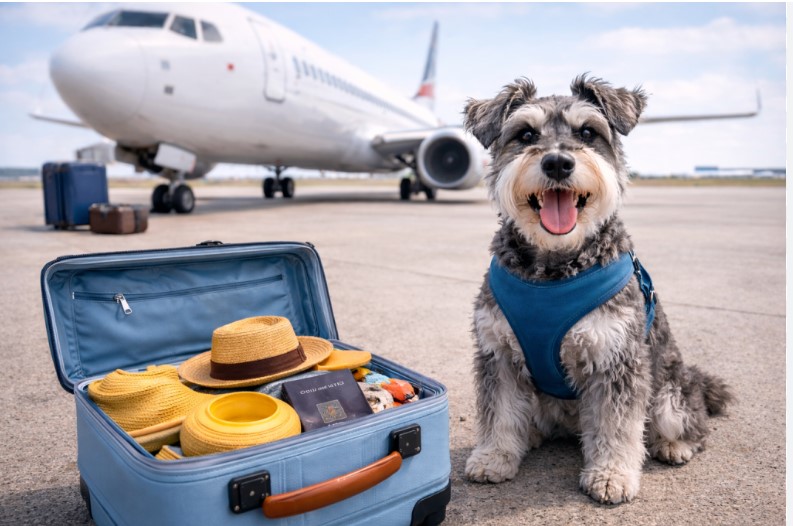
Quick answer: Pet immigration to the UK requires a microchip, a valid rabies vaccination, an animal health certificate or EU pet passport, and tapeworm treatment for dogs. The process takes several months to prepare, and all pets must arrive through an approved transport company on an authorized travel route to avoid quarantine.
Moving overseas involves a massive amount of paperwork and logistical planning. When you add a furry family member to the mix, the timeline and complexity of the move increase significantly. The United Kingdom maintains strict biosecurity laws designed to protect local wildlife, agricultural sectors, and public health from foreign diseases, particularly rabies.
Relocating a dog, cat, or ferret to England, Scotland, or Wales requires careful preparation and strict adherence to the Department for Environment, Food and Rural Affairs (DEFRA) guidelines. Missing a single vaccination deadline or failing to secure the right endorsement on a health certificate can result in your pet spending up to four months in a quarantine facility at your expense.
This comprehensive guide breaks down exactly what you need to know about pet immigration to the UK. You will learn about the mandatory medical treatments, the necessary documentation, and the best practices to ensure your pet travels safely, legally, and comfortably.
What are the mandatory medical requirements for bringing a pet to the UK?
The UK government enforces strict medical protocols for any animal entering the country. These requirements vary slightly depending on the country you are traveling from, but the baseline medical checklist applies to almost all international arrivals.
- Microchipping
Your pet must be microchipped before any other procedure takes place. The microchip must meet the ISO 11784/11785 standard. If your pet’s microchip does not meet this standard, you will need to bring your own microchip reader when you travel. The date of the microchipping must be recorded correctly, as any vaccinations given before the microchip is implanted will not be recognized by UK authorities.
- Rabies Vaccination
After the microchip is implanted, your pet needs a rabies vaccination. The pet must be at least 12 weeks old at the time of vaccination. You must wait exactly 21 days after the primary vaccination before your pet can enter the UK. If you are traveling from an “unlisted” country (a country not on the UK’s approved list for rabies control), your pet will also need a blood test 30 days after the rabies vaccination, followed by a three-month waiting period before travel.
- Tapeworm Treatment for Dogs
If you are bringing a dog to the UK, a veterinarian must administer a tapeworm treatment containing praziquantel. This treatment must be given no less than 24 hours and no more than 120 hours (5 days) before the dog arrives in the UK. This rule does not apply if you are traveling directly from Finland, Ireland, Northern Ireland, Malta, or Norway.
Which documents do you need for pet immigration to UK?
Paperwork is the most critical element of pet immigration to UK. The exact documentation you need depends on where you are traveling from.
If you are traveling from the European Union, you can use a valid EU Pet Passport issued in an EU member state. Note that EU Pet Passports issued in Great Britain are no longer valid for travel into the UK following Brexit.
If you are traveling from a non-EU country (such as the United States, Canada, or Australia), you will need a Great Britain Animal Health Certificate (AHC). A certified USDA veterinarian (or your country’s equivalent) must issue and endorse this certificate within 10 days of your pet’s entry into the UK. Additionally, you must sign a declaration confirming that you are not importing the pet to sell or transfer ownership.
How should you transport your pet to the United Kingdom?
The UK government requires that pets enter the country via an approved transport company and an approved travel route. You cannot simply book a commercial flight and bring your pet in the cabin.
In almost all cases, pets arriving by air must travel as manifest cargo. This means your pet will travel in a climate-controlled, pressurized section of the cargo hold. While this sounds daunting, airlines that participate in the approved transport scheme have highly trained staff and specific protocols to ensure animal safety.
If you want to avoid flying your pet as cargo, you can look into alternative routes. For example, many pet owners fly into Paris or Amsterdam, where pets can travel in the cabin on certain airlines. From there, you can hire a specialized pet transport taxi to drive you and your pet through the Eurotunnel or take an approved ferry route into the UK.
Choose air cargo if speed and direct routing matter more to you. Choose the Eurotunnel route if you want to keep your pet by your side for the majority of the journey, provided you are willing to manage the extra travel time and border logistics.
Next steps for your pet relocation journey
Successfully managing pet immigration to the UK requires close collaboration with your veterinarian and potentially a professional pet relocation service. Because regulations can change, always verify the latest guidelines on the official UK government website before booking any travel. Start the process at least four to six months before your intended departure date to ensure you have ample time to complete vaccinations, blood tests, and paperwork.
Frequently Asked Questions
How much does it cost to bring a pet to the UK?
The cost of pet immigration to the UK typically ranges from $1,500 to $5,000 USD. This includes veterinary visits, microchipping, vaccinations, the Animal Health Certificate endorsement, airline cargo fees, and customs clearance charges. Hiring a professional pet relocation service will add to the overall cost but significantly reduces the risk of paperwork errors.
Will my dog or cat have to go into quarantine in the UK?
Your pet will not have to go into quarantine if you strictly follow all DEFRA guidelines. Quarantine is only enforced if your pet fails a compliance check upon arrival—for example, if the microchip cannot be read, the rabies vaccine has lapsed, or the tapeworm treatment was administered outside the 24-120 hour window.
Are there any banned dog breeds in the UK?
Yes. The UK prohibits the importation and ownership of several specific dog breeds under the Dangerous Dogs Act 1991. The banned breeds include the Pit Bull Terrier, Japanese Tosa, Dogo Argentino, Fila Brasileiro, and the XL Bully. You cannot legally bring these breeds into the United Kingdom under any circumstances.


