
Speed defines fast food but rushing cannot compromise safety or quality standards ever. Bacteria grow rapidly on food sitting at wrong temperatures even for short periods. Fast Food Fresh requires balancing quick service with proper handling that prevents contamination completely. One sick customer from careless practices destroys a reputation built over many years of operation. Understanding critical control points protects both customer health and your business survival long term. Smart systems make safety automatic even during busiest rush periods when mistakes happen.
What Temperature Dangers Threaten Fast Food Quality Between Cooking and Customer Delivery?
Cooked food cooling below one hundred forty degrees enters the danger zone where bacteria multiply. Hot holding cabinets must maintain proper heat preventing items from becoming unsafe while waiting. Cold items warming above forty degrees allow germs to grow doubling every twenty minutes. Temperature abuse during brief holding periods causes most fast food safety problems nationwide. Digital monitoring catches temperature failures before contaminated food reaches any paying customers eating. Fast food operations in CA face closure when health inspectors find improper temperature control. Every minute at the wrong temperature increases the risk that safe food becomes dangerous to consume.
How Does Proper Hand Hygiene Prevent Contamination During Rapid Food Assembly Processes?
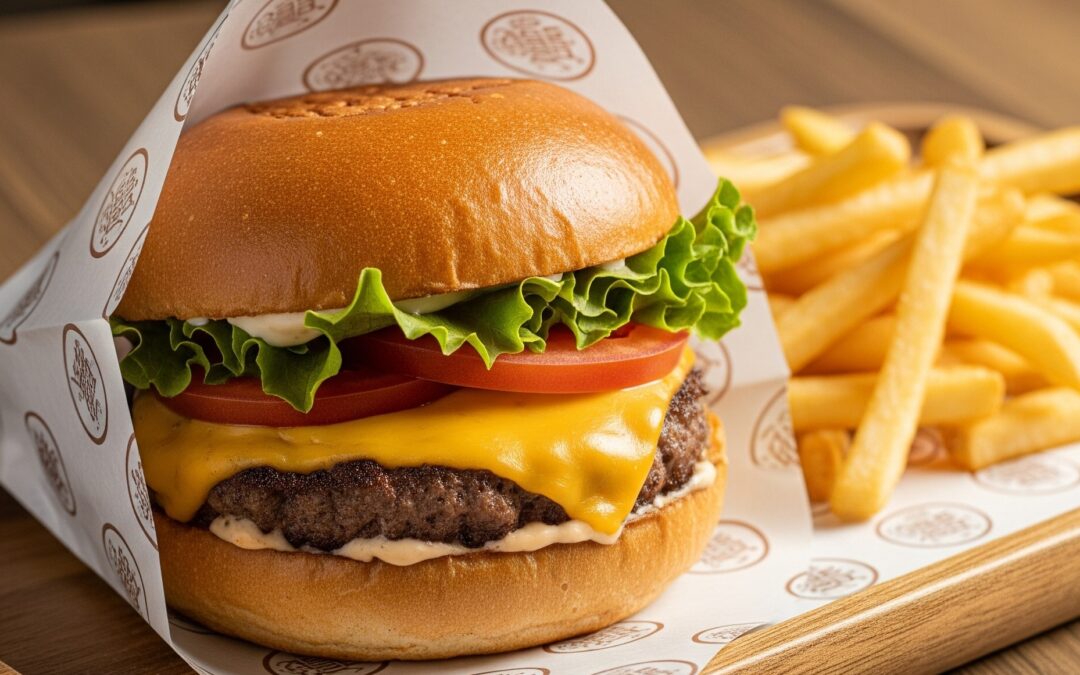
Hands touching multiple items rapidly spread bacteria from one surface to everything else. Glove changes between tasks prevent cross contamination but only when done correctly always. Washing hands after touching faces or hair removes germs that survive on skin. Staff handling money then food without washing introduces contaminants customers will definitely ingest. Busy periods create pressure to skip handwashing that seems to slow service down. Burger paper wrap creates a barrier reducing direct hand contact with food customers actually eat. Hand hygiene failures cause more foodborne illness outbreaks than any other single mistake.
Why Must Raw Ingredients Stay Completely Separated From Ready to Eat Items?
Raw meat carries bacteria that cooking kills but cross contact spreads to items. Using the same cutting board for vegetables and chicken transfers salmonella without anyone noticing. Storing raw above cooked in refrigerators lets dripping juices contaminate everything below overnight. Separate prep areas and color coded tools prevent accidental mixing during busy rushes. One contaminated lettuce leaf can sicken dozens of customers eating salads throughout the day. Staff training on separation principles prevents most dangerous cross contamination incidents that happen. Fast Food Fresh dies instantly when raw ingredients touch ready items going straight out.
Can Time Limits on Prepared Food Really Prevent Quality and Safety Issues?
Yes because holding food too long allows both bacterial growth and texture degradation. Most fast food items should be discarded after sitting for more than twenty minutes maximum. Timers remove guesswork ensuring old food gets thrown away instead of served unknowingly. Waste from discarding seems expensive but lawsuits and closure cost infinitely more money. Customers notice when food tastes stale or sits too long before reaching their tables. Wax papers Hub provides solutions helping track holding times preventing service of degraded food. Strict time limits protect both safety and quality that customers expect from fast operations.
How Does Wrapping Choice Affect Whether Takeout Food Arrives Fresh or Spoiled?
Sealed boxes trap steam turning crispy items soggy before customers even get home. Ventilated wrapping allows moisture escape, maintaining texture during transport and waiting periods outside. Materials absorbing excess oil prevent greasiness that ruins the eating experience for customers completely. Temperature retention in wrapping keeps hot food hot and cold food cold. Contaminated wrapping introduces bacteria to otherwise safe food during brief contact time only. Food Paper designed for specific food types balances moisture control with necessary protection. Smart wrapping extends the window where food remains fresh after leaving your controlled environment.
What Cleaning Protocols Maintain Safety Standards During Continuous All Day Operations?
Surfaces used repeatedly need sanitizing between different tasks not just at day end. Three compartment sinks with proper temperatures ensure dishes get truly clean between uses. Sanitizer test strips confirm solutions are strong enough to actually kill dangerous bacteria. Staff eating or drinking in prep areas introduces saliva bacteria contaminating everything nearby. Worn cutting boards with deep grooves harbor germs that normal washing cannot reach. Regular replacement of damaged items prevents hidden contamination from spreading to prepared food. Continuous cleaning during service prevents buildup that creates hazards between morning and night.
Why Should Ingredient Rotation Systems Be Mandatory in All Fast Food Kitchens?
First in first out prevents old ingredients from hiding behind newer deliveries received. Expired items used accidentally cause illness even when everything else was handled perfectly. Dating all items upon arrival ensures staff know exactly how old everything is. Busy periods make it easy to grab whatever is closest instead of oldest. Visual systems like colored labels make rotation foolproof even for new untrained staff. Waste from rotation seems costly but using spoiled ingredients destroys customer trust completely. Fast Food Fresh requires using freshest possible ingredients before they degrade into unsafe items.
What Common Rush Period Shortcuts Create Dangerous Contamination Risks for Customers?
Skipping handwashing between tasks spreads bacteria that careful procedures would have stopped completely. Reusing gloves beyond a single task defeats their entire contamination prevention purpose intended originally. Holding food past time limits to avoid waste ends up serving unsafe items. Using the same utensils raw and cooked without washing creates cross contamination instantly. Turning off monitoring systems that beep annoyingly during rushes defeats their warning purpose. Allowing untrained staff to work alone without supervision during busy periods invites mistakes. Fast Food Fresh fails when speed pressure overrides safety protocols designed to protect everyone.


