
Table of Contents
- Introduction
- What Is Food Packaging?
- Why Food Packaging Is Important
- Common Types of Food Packaging Solutions
- Material Trends in Food Packaging
- Design and Functionality in Modern Packaging
- Food Packaging and Consumer Experience
- Future of Food Packaging
- Conclusion
Introduction
Food packaging plays a critical role in the modern food industry. It is not only used to contain and protect food products but also to maintain freshness, ensure safety, and improve convenience for consumers. With the rapid growth of food delivery services and takeout culture, packaging has become an essential part of the overall food experience.
Today, innovations in food packaging are shaping how restaurants, bakeries, and fast-food businesses operate. From structural design to eco-friendly materials, packaging continues to evolve to meet changing consumer expectations.
What Is Food Packaging?
Food packaging refers to the materials and containers used to wrap, store, protect, and transport food products. It serves multiple purposes, including protecting food from contamination, preserving freshness, providing convenience, and communicating product information.
Why Food Packaging Is Important
Food Safety and Protection
One of the primary functions of packaging is to protect food from external elements such as moisture, bacteria, dust, and physical damage.
Preservation of Freshness
Proper packaging helps maintain temperature, texture, and taste, especially for baked goods and fast food items.
Convenience for Consumers
Modern packaging is designed for easy handling, storage, and consumption, making it ideal for on-the-go lifestyles.
Waste Reduction
Good packaging reduces food spoilage and waste during transportation and storage.
Common Types of Food Packaging Solutions
Custom Pizza Boxes
Custom pizza boxes are designed to maintain heat and protect pizzas during delivery. Their flat structure and ventilation features help prevent sogginess.
Dessert Boxes
Dessert boxes are used for cakes, pastries, cupcakes, and sweets. They often include inserts or compartments to preserve presentation quality.
Custom Taco Boxes
Custom taco boxes are structured to hold tacos securely while preventing spills or deformation during transport.
Material Trends in Food Packaging
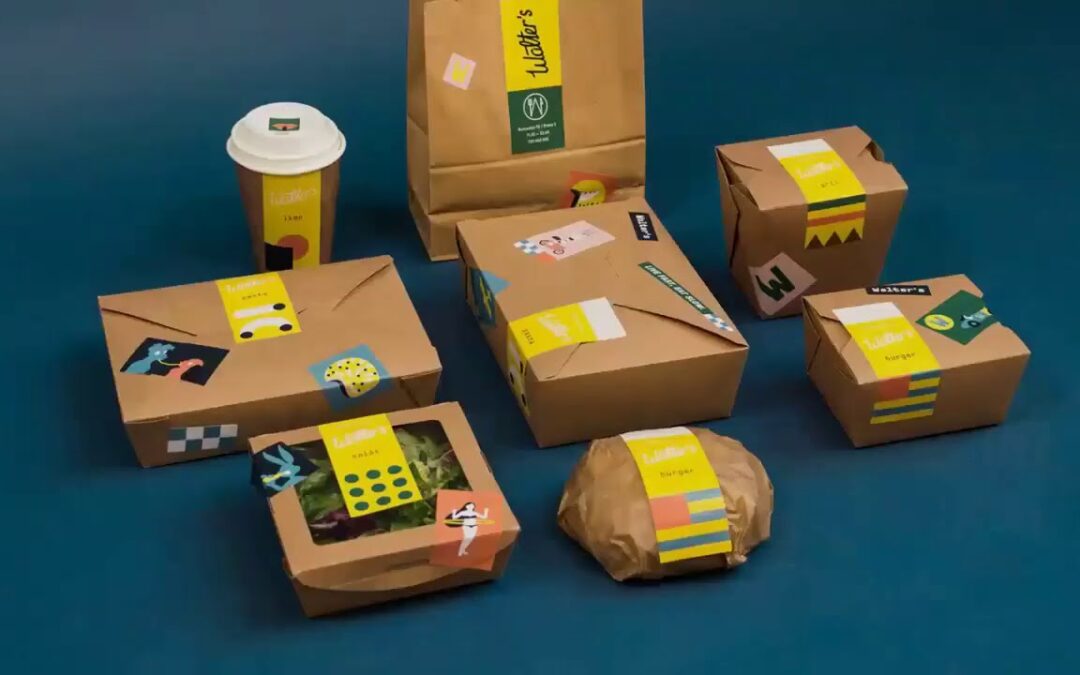
The food packaging industry is shifting toward sustainable materials such as cardboard, kraft paper, biodegradable coatings, and compostable packaging solutions.
Design and Functionality in Modern Packaging
Modern food packaging focuses on ventilation, leak resistance, portability, stackability, and clean branding to improve customer experience.
Food Packaging and Consumer Experience
Packaging significantly influences customer perception, enhancing product presentation, trust, and brand recognition.
Future of Food Packaging
The future of food packaging includes smart QR-enabled packaging, biodegradable materials, reduced plastic use, and personalized packaging experiences.
Conclusion
Food packaging is essential for safety, preservation, branding, and customer satisfaction. As the industry evolves, innovative and sustainable packaging solutions will continue to shape the future of food delivery and retail.


