
High-Resolution CT (HRCT) of the chest is an advanced imaging test used to evaluate lung tissues in great detail. Unlike a standard chest CT scan, HRCT focuses on capturing thin-section images that provide a clearer picture of lung structure and interstitial tissues. It is commonly recommended for patients experiencing persistent cough, shortness of breath, or suspected lung diseases. Understanding how this test works and why it is important can help patients feel more confident and prepared before undergoing the procedure.
What Is a CT Chest High Resolution (HRCT Chest) Test?
CT Chest High Resolution (HRCT Chest) is a specialized computed tomography scan that produces highly detailed images of the lungs and surrounding structures. This test uses thin-slice imaging techniques to assess lung parenchyma, airways, and interstitial tissues with exceptional clarity. Unlike a routine chest CT, HRCT is specifically designed to detect subtle abnormalities that may not be visible on standard imaging. It is often used to evaluate conditions such as interstitial lung disease, pulmonary fibrosis, and chronic infections. The test provides doctors with accurate information about lung texture and structure, helping in early diagnosis and effective treatment planning for various respiratory conditions.
Why Is an HRCT Chest Test Performed?
Doctors recommend an HRCT Chest test when patients present with unexplained respiratory symptoms like chronic cough, breathlessness, or abnormal chest X-ray findings. It is especially helpful in diagnosing interstitial lung diseases, which involve scarring or inflammation of lung tissue. HRCT is also used to evaluate suspected pulmonary fibrosis, bronchiectasis, sarcoidosis, or occupational lung diseases. In post-infection cases, including severe viral pneumonia, HRCT helps assess the extent of lung damage. The test provides detailed cross-sectional images, allowing physicians to identify early-stage abnormalities and determine the severity of disease. This accurate assessment supports timely medical intervention and improved patient outcomes.
Conditions Diagnosed with HRCT Chest
HRCT Chest plays a vital role in diagnosing several lung disorders. It is particularly effective in identifying interstitial lung disease (ILD), pulmonary fibrosis, chronic obstructive pulmonary disease (COPD), and bronchiectasis. The test also detects lung nodules, ground-glass opacities, and early signs of lung infections. In patients with suspected tuberculosis or fungal infections, HRCT offers more clarity than a standard X-ray. It is also used to monitor disease progression and response to treatment. By providing high-definition images of lung structures, HRCT enables doctors to differentiate between inflammatory, infectious, and fibrotic conditions. This detailed evaluation ensures accurate diagnosis and targeted treatment planning.
How Is the HRCT Chest Procedure Performed?
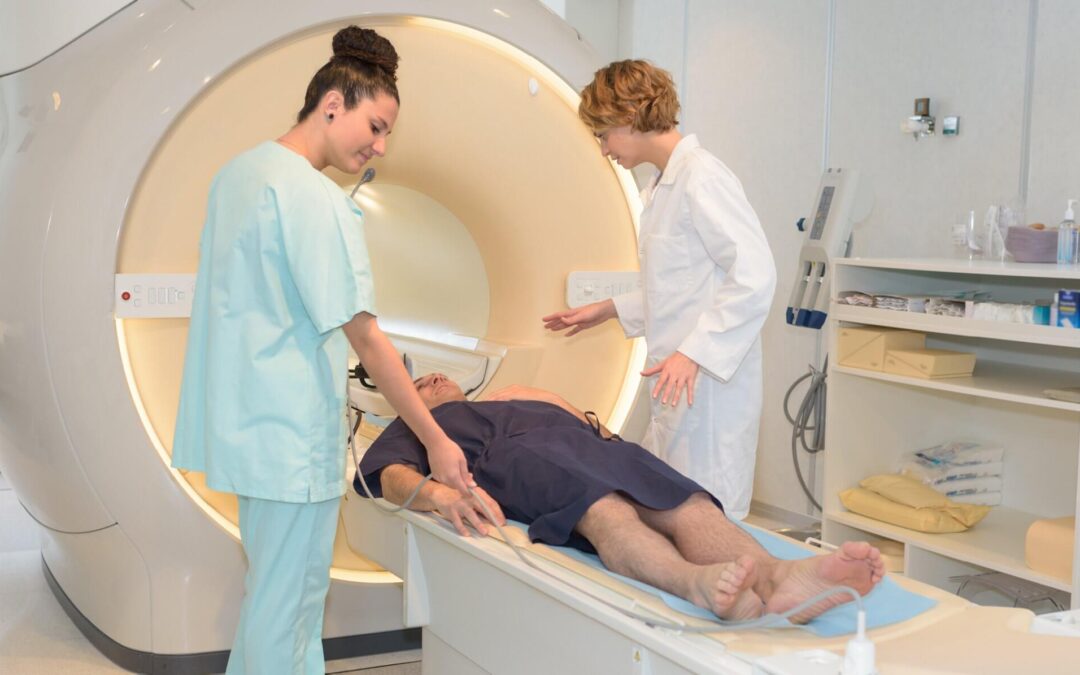
The HRCT Chest procedure is simple and usually completed within 15 to 20 minutes. The patient lies flat on a motorized table that moves through a CT scanner. Unlike some other CT scans, HRCT often does not require contrast dye unless specifically indicated. During the scan, you may be asked to hold your breath briefly to prevent motion blur and ensure clear images. The scanner rotates around the chest, capturing thin-slice cross-sectional images. The process is painless and non-invasive. After the test, patients can usually resume normal activities immediately. The images are then reviewed by a radiologist who prepares a detailed report for the treating physician.
Preparation Before Undergoing HRCT Chest
Preparing for an HRCT Chest test is generally straightforward. Patients are advised to wear comfortable clothing and remove any metallic objects such as jewelry, glasses, or belts before the scan. If contrast dye is required, fasting for a few hours may be recommended. Inform your doctor if you are pregnant, breastfeeding, or have any history of kidney disease or allergies to contrast material. Most HRCT scans do not require extensive preparation, making it a convenient diagnostic option. Staying calm and following instructions during breath-holding ensures high-quality imaging. Proper preparation helps avoid delays and ensures accurate results for effective diagnosis and treatment planning.
Risks and Safety of HRCT Chest
HRCT Chest is considered a safe diagnostic procedure when performed under medical supervision. It involves exposure to a small amount of radiation, but the benefits of accurate diagnosis generally outweigh the minimal risks. Modern CT scanners use optimized radiation doses to enhance safety. If contrast dye is used, rare allergic reactions may occur, though this is uncommon. Patients with kidney problems should inform their doctor beforehand. Pregnant women are usually advised to avoid CT scans unless absolutely necessary. Overall, HRCT is a reliable and safe imaging tool that provides critical information about lung health while maintaining patient safety standards.
Benefits of HRCT Chest Over Standard Chest Imaging
HRCT Chest offers several advantages compared to standard chest X-rays or routine CT scans. The high-resolution thin slices provide exceptional detail, allowing doctors to detect early and subtle lung changes. This is particularly beneficial for diagnosing interstitial lung diseases and fibrotic conditions. HRCT enables accurate evaluation of airway abnormalities and lung scarring that may not be visible on regular imaging. The test also assists in assessing the severity and progression of chronic lung diseases. With detailed imaging, physicians can develop personalized treatment strategies. Its non-invasive nature and quick procedure time make HRCT a preferred diagnostic choice for comprehensive lung assessment.
Who Should Consider an HRCT Chest Test?
An HRCT Chest test is recommended for individuals experiencing persistent respiratory symptoms such as long-term cough, unexplained shortness of breath, or chest discomfort. Patients with abnormal chest X-rays often require HRCT for further evaluation. Those with autoimmune diseases, occupational exposure to dust or chemicals, or a history of smoking may also benefit from this test. HRCT is commonly advised for monitoring chronic lung conditions and assessing post-infection lung recovery. Early detection of lung abnormalities can significantly improve treatment outcomes. Consulting a qualified healthcare provider helps determine whether HRCT Chest is necessary based on individual symptoms and medical history.
Book Your CT Chest High Resolution (HRCT Chest) Test from Chughtai Lab via InstaCare and Get 25% Discount
If your doctor has advised an HRCT Chest scan, you can conveniently book your CT Chest High Resolution (HRCT Chest) Test from Chughtai Lab via InstaCare and get a 25% discount. Booking through InstaCare ensures a smooth appointment process, trusted diagnostic services, and timely reporting. Chughtai Lab is equipped with advanced CT imaging technology and experienced radiologists who deliver accurate results. Early diagnosis of lung diseases is crucial for effective management and recovery. Take advantage of this discount to prioritize your respiratory health in a reliable and affordable way.
Conclusion
CT Chest High Resolution (HRCT Chest) is an advanced diagnostic tool that provides detailed images of lung tissues and airways. It plays a critical role in detecting interstitial lung diseases, fibrosis, infections, and chronic respiratory conditions. The procedure is quick, safe, and highly informative. If you are experiencing ongoing respiratory symptoms or have risk factors for lung disease, consult your doctor about an HRCT Chest scan. Early and accurate diagnosis can prevent complications and improve overall lung health outcomes.
Frequently Asked Questions (FAQs)
- Is HRCT Chest different from a regular CT scan?
Yes, HRCT uses thin-slice imaging to provide more detailed views of lung tissues compared to a standard CT scan, making it more effective for diagnosing interstitial and chronic lung diseases.
- Does HRCT Chest require contrast dye?
In most cases, HRCT does not require contrast dye. However, your doctor may recommend it if additional vascular or structural evaluation is needed.
- How long does it take to receive HRCT results?
Results are typically available within 24 to 48 hours, depending on the diagnostic center. In urgent cases, preliminary findings may be provided sooner.


