
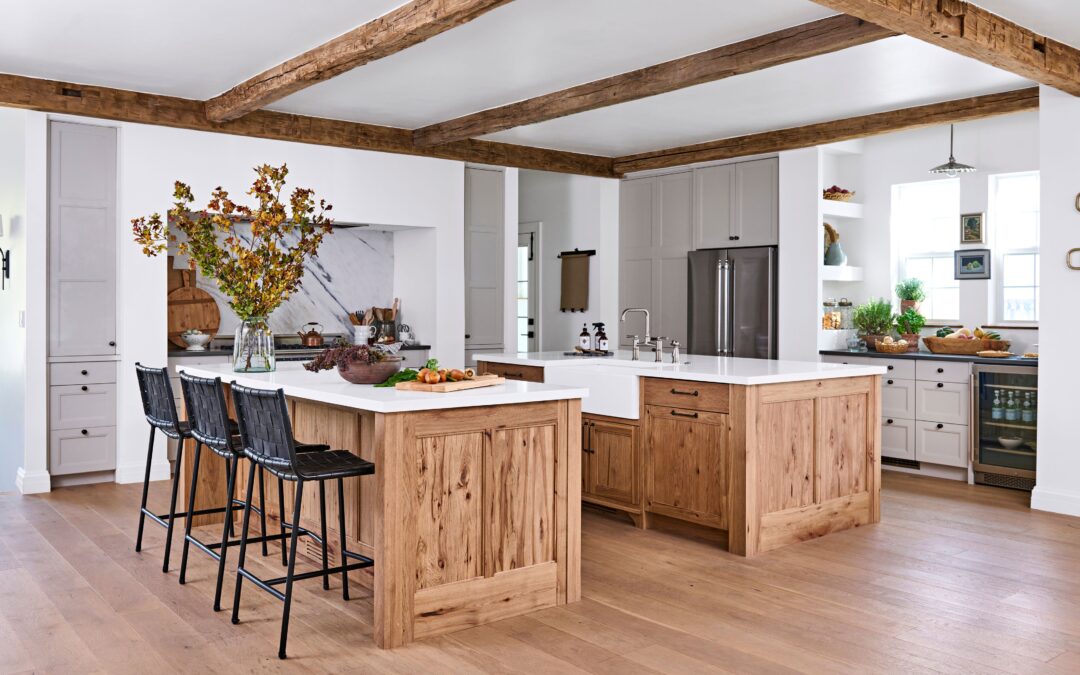
A kitchen island plays a central role in both design and daily function. Homeowners searching for custom made kitchen islands for sale often focus on appearance, yet durability remains the key factor for long-term satisfaction. Daily cooking, spills, and heavy use place constant stress on surfaces. Strong materials maintain structure and resist damage over time. Careful selection improves hygiene, reduces maintenance, and supports consistent performance. A durable kitchen island becomes a reliable workspace that also enhances the overall value and efficiency of the kitchen.
Why Material Choice Matters for Kitchen Islands
Material selection determines how well a kitchen island performs under pressure. A surface used for cooking, dining, and storage must handle multiple tasks without damage. Resistance to heat, moisture, scratches, and stains plays a critical role in durability. Poor choices often result in surface wear, discoloration, or structural issues. A well-selected material reduces long-term repair costs and maintains a polished appearance. Visual harmony also depends on the chosen material, helping the island blend seamlessly with cabinets and flooring.
Popular Durable Materials for Kitchen Islands
• Quartz offers strong resistance to stains, scratches, and moisture
• Granite provides natural strength and high heat resistance
• Solid surface materials allow seamless and repairable finishes
• Stainless steel supports hygiene and heavy-duty usage
• Butcher block delivers natural warmth with proper maintenance
• Concrete enables custom designs with excellent durability
Quartz: The Low-Maintenance Champion
Quartz remains one of the most reliable materials for kitchen islands due to its engineered strength. Non-porous composition prevents liquid absorption and bacterial growth. Daily cleaning requires minimal effort, making it suitable for busy households. Consistent color and pattern create a modern and refined appearance. Resistance to scratches and stains ensures long-term visual appeal. Quartz does not require sealing, which simplifies maintenance routines. Strong durability combined with low upkeep makes it a preferred choice for homeowners seeking convenience and performance.
Granite: Timeless Strength and Natural Beauty
Granite stands out for its natural durability and unique appearance. Each slab features distinct patterns that add character to the kitchen space. Heat resistance allows direct placement of hot cookware without causing damage. Proper sealing protects against moisture and staining, ensuring long-lasting performance. Granite surfaces resist scratches and maintain their finish under heavy use. Natural stone appeal adds value to the home while providing reliable functionality. Balanced maintenance and strength make granite a dependable option for durable kitchen islands.
Stainless Steel: Modern and Highly Functional
Stainless steel offers a professional-grade solution known for strength and hygiene. Non-porous surfaces prevent bacteria buildup, making it ideal for food preparation. Heat resistance supports intense cooking without affecting the surface. Cleaning remains simple, requiring only basic wiping to maintain shine. Minor scratches develop over time but contribute to a consistent industrial look. Modern kitchens benefit from its sleek and minimal design. High durability and low maintenance needs make stainless steel a practical and efficient material choice.
Butcher Block: Warmth with Proper Care
Butcher block surfaces provide a natural and welcoming look using hardwood materials. Smooth texture supports food preparation and cutting tasks without damaging knives. Regular oiling helps maintain moisture resistance and prevents cracking. Minor scratches and marks can be sanded out, restoring the surface easily. Maintenance requires consistent attention compared to stone materials. Warm tones enhance traditional and rustic kitchen styles. Proper care ensures long-lasting performance, making butcher block a durable and visually appealing option.
Concrete: Customization and Strength
Concrete offers unmatched flexibility in design and structure. Custom shapes, textures, and colors allow homeowners to create a unique kitchen island. Strong composition supports heavy use and resists daily wear. Sealing protects against stains and moisture while maintaining durability. Proper installation minimizes the risk of cracking over time. Industrial-style kitchens benefit from its bold and modern appearance. Concrete combines strength with personalization, making it an excellent option for those seeking both durability and creative design freedom.
Solid Surface Materials: Seamless and Repairable
Solid surface materials provide a smooth and continuous finish without visible seams. Non-porous properties resist stains and moisture, supporting hygiene and easy cleaning. Minor damage such as scratches can be repaired without replacing the entire surface. Moderate heat resistance requires careful handling with hot cookware. Consistent color and texture create a clean and modern look. Reliable performance and repairability make solid surfaces a practical option for homeowners who value both durability and easy maintenance.
Factors to Consider When Choosing Materials
Choosing the right material depends on daily usage, budget, and maintenance expectations. Busy households often prefer low-maintenance surfaces like quartz or stainless steel. Frequent cooking requires materials that resist heat and impact. Budget planning helps balance cost with long-term value. Environmental conditions, such as humidity, may affect natural materials like wood. Maintenance requirements vary, with some needing sealing or conditioning. Evaluating these factors ensures the selected material aligns with both functional needs and design preferences.
Conclusion
Durable kitchen island materials provide long-term reliability and visual appeal. Quartz offers convenience, granite delivers natural strength, and stainless steel ensures hygiene. Butcher block adds warmth with proper care, while concrete supports custom design. Solid surface materials offer repairable and seamless finishes. Each option serves different needs based on lifestyle and budget. Strong material selection reduces maintenance concerns and improves daily functionality. A well-built kitchen island becomes a lasting feature that supports both efficiency and style.
FAQs
Which kitchen island material lasts the longest?
Quartz and granite are among the longest-lasting materials due to their resistance to scratches, stains, and heavy use.
Is quartz better than granite for durability?
Quartz offers lower maintenance and better stain resistance, while granite provides superior heat resistance and natural beauty.
How do I maintain a butcher block island?
Regular oiling and cleaning help protect the surface from moisture and extend its lifespan.
Are concrete kitchen islands a good choice?
Concrete islands provide strong durability and customization options but require proper sealing and professional installation.
What is the easiest kitchen island material to clean?
Stainless steel and quartz are the easiest to clean due to their non-porous surfaces and minimal maintenance needs.


