
In high-speed robotic welding lines, especially in the automotive industry, even a small problem can cause big trouble. Imagine a welding gun losing its cap or a coolant hose bursting — thousands of gallons of water could flood the floor, damage expensive robots, and stop production for hours.
This is exactly where Weld Saver comes in. It acts like a smart guardian for your welding system.
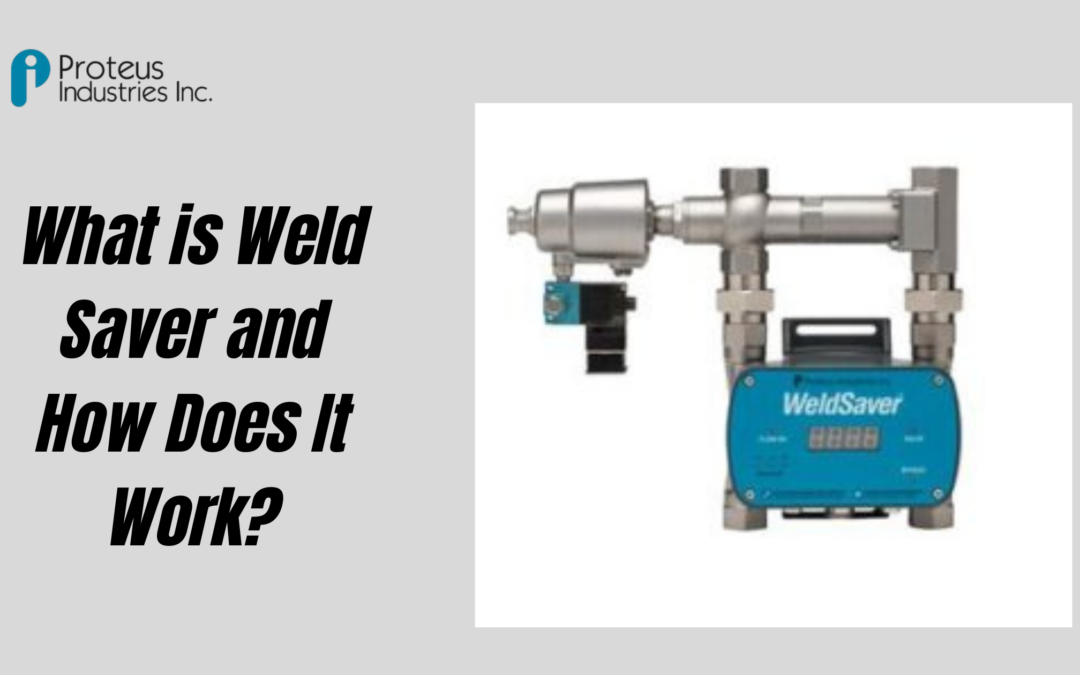
Weld Saver is a specialized coolant flow control and leak detection device made by Proteus Industries. It continuously monitors the coolant flowing through robotic weld guns and quickly detects problems like leaks, cap loss, or hose bursts. In less than a second, it can shut off the flow and prevent costly damage.
In this guide, we’ll explain in simple terms what Weld Saver is, how it works, its key features, benefits, and why it has become a must-have tool in modern robotic welding.
What is Weld Saver?
Weld Saver (also known as Proteus WeldSaver) is an advanced flow monitoring and protection device designed specifically for robotic resistance welding applications.
It is installed in the coolant circuit that keeps welding guns cool during high-volume production. Without proper cooling, weld tips (electrodes) can overheat, leading to poor weld quality, frequent tip changes, and even damage to expensive welding equipment.
Weld Saver does three main jobs:
- Measures coolant flow rate and temperature
- Detects leaks or cap-loss events very quickly
- Automatically shuts off coolant flow to prevent flooding and damage
It communicates directly with the robot controller or PLC, so the entire welding cell can stop safely when a problem is detected.
Why Do You Need a Weld Saver?
Robotic welding runs 24/7 in many factories. A single cap loss (when the welding electrode cap falls off) can cause coolant to spray everywhere. This leads to:
- Slippery floors and safety hazards
- Water damage to robots and electrical systems
- Hours of downtime for cleanup
- Bad welds that may pass unnoticed
Weld Saver prevents these issues by reacting in less than 0.4 seconds — much faster than most traditional systems. Its latest versions even include smart technology to pull back coolant during cap changes, keeping the floor dry.
How Does Weld Saver Work?
Weld Saver is a compact, self-contained unit that integrates sensors, a control valve, and smart software. Here’s a simple step-by-step explanation:
- Continuous Monitoring The device uses high-precision sensors to measure the flow rate and temperature of coolant going into and coming out of the weld gun.
- Smart Detection Algorithm It constantly compares the actual flow with the expected “normal” flow. A sudden drop in flow (due to a leak, cap loss, or hose burst) triggers its proprietary algorithm. This algorithm is so advanced that it can tell the difference between a real leak and normal fluctuations caused by pressure or movement.
- Instant Response When a problem is detected, Weld Saver:
- Sends an alarm signal to the robot controller or PLC
- Closes the built-in shutoff valve to stop coolant flow
- Prevents further spraying or flooding
- Advanced eVac Technology (in newer models) The latest Weld Saver 6 comes with eVac™ Coolant Retraction. Instead of just stopping the flow, it actively pulls coolant back from the gun during cap changes or leaks. This keeps water from dumping on the floor and protects surrounding equipment.
- Communication & Control It supports popular industrial protocols like EtherNet/IP, DeviceNet, and others, so it integrates smoothly into automated production lines. Operators can also monitor everything through a user-friendly graphical interface or local display.
Key Features of Weld Saver
- Ultra-Fast Detection — Identifies leaks or cap loss in under 0.4 seconds
- Flow and Temperature Monitoring — Tracks both flow rate and temperature for complete protection
- Automatic Shutoff Valve — Stops coolant flow instantly when needed
- eVac Coolant Retraction — Actively pulls back water to prevent spills (newer models)
- Easy Integration — Works with major robot brands and PLC systems
- Local Display & Keypad — Allows on-site monitoring and control
- Configurable Settings — You can set custom flow and temperature trip points
- Compact & Durable Design — Built for tough industrial environments
Major Benefits of Using Weld Saver
Here’s why many automotive and manufacturing plants trust Weld Saver:
- Prevents Expensive Damage — Protects robots, transformers, electrodes, and weld guns from overheating and water damage.
- Reduces Downtime — Quick detection means faster recovery and less production loss.
- Improves Weld Quality — Consistent cooling leads to more reliable and consistent welds.
- Enhances Safety — Reduces slippery floors and water-related hazards.
- Saves Money — Pays for itself quickly by preventing just one major coolant spill or equipment failure.
- Supports Automation — Works perfectly with fully automated cap changers and robotic cells.
- Long-Term Reliability — Proven technology trusted by leading automotive OEMs for over 25 years.
Who Uses Weld Saver?
Weld Saver is mainly used in:
- Automotive manufacturing plants
- Robotic spot welding lines
- High-volume resistance welding applications
- Factories with multiple weld cells
It is especially valuable in environments where even a few minutes of downtime can cost thousands of dollars.
Weld Saver Models Overview
Proteus offers different versions of Weld Saver, including:
- WeldSaver 5 Passport — Fast detection with graphical interface
- WeldSaver 6 — Latest model with improved features and eVac technology
- Custom configurations for specific plant needs
Each model is designed to be easy to install and integrate into existing welding systems.
Final Thoughts: Is Weld Saver Worth It?
In today’s competitive manufacturing world, every second of uptime matters. Weld Saver provides smart, reliable protection for one of the most critical parts of robotic welding — the cooling system.
By quickly detecting leaks and preventing coolant expulsion, it saves time, money, and equipment while keeping your production running smoothly and safely.
If you manage robotic welding lines and want to reduce risks, improve weld quality, and minimize costly surprises, investing in a Weld Saver is a smart decision.
It’s a small device that delivers big peace of mind.
Would you like to learn more about integrating Weld Saver into your plant? Feel free to share your specific welding setup in the comments, and we’ll be happy to help!


