
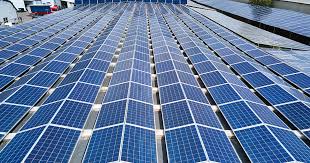
You can turn parts of your building—roofs, façades, even windows—into electricity-producing surfaces without adding bulky panels. Building-integrated photovoltaics (BIPV) replace conventional building materials with solar-generating components, letting you harvest clean energy while preserving or enhancing design and functionality.This article explains how BIPV works, where it fits best, and practical steps to implement it on real projects, from semi-transparent glazing to full roof cladding. Expect clear guidance on technical options, design trade-offs, and typical use cases so you can decide whether BIPV suits your goals.
Understanding Solar BIPV
Solar BIPV integrates photovoltaic functionality directly into building elements, replacing standard materials while generating electricity and maintaining weatherproofing and aesthetics. You’ll learn what defines BIPV, the main product types you’ll encounter, and the materials and components that determine performance and durability.
Definition and Core Concepts
You can think of Solar BIPV as building materials that also produce electricity. Instead of mounting modules on top of an existing roof or façade, BIPV becomes the roof, curtain wall, skylight, or balustrade itself.Key functional roles you should expect from BIPV: electricity generation, thermal and light transmission control, weather barrier, and architectural finish. Performance depends on orientation, tilt, shading, and local climate just like conventional PV, but integration constraints—structural support, fire codes, and waterproofing—affect design choices.BIPV serves two common deployment goals: on-site power to reduce building energy use and aesthetic or regulatory integration where traditional racking is impractical or undesirable. You’ll evaluate lifecycle cost against conventional PV plus building material replacement costs when deciding if BIPV fits your project.
Types of Solar BIPV Technologies
You’ll encounter several product families, each suited to different architectural needs and performance targets.
- Solar roof tiles and shingles: Form-fitting PV tiles that replace conventional roofing. They work well on pitched roofs where appearance matters.
- PV glazing and semi-transparent modules: Incorporate thin-film or crystalline cells into glass for façades, canopies, and skylights; they control daylight while producing power.
- Curtain wall and cladding modules: Rigid PV panels or laminates replace façade panels; ideal for vertical surfaces with structural anchoring.
- Carports and canopies: Dual-use structures that provide shade and generate electricity; often modular and fast to install.
Each type trades off power density, transparency, weight, and cost. Choose crystalline silicon for higher efficiency and lower area; choose thin-film or emerging organic/DSSC options where flexibility, translucency, or color are priorities.
Key Components and Materials
You’ll need to evaluate the cell technology, encapsulant, framing or edge seal, and electrical balance-of-system.
- Cell technologies: Monocrystalline and polycrystalline silicon deliver high efficiency and durability. Thin-film (CIGS, CdTe) offers flexibility and better performance in diffuse light. Emerging organic and perovskite approaches promise lightweight, colored, or semi-transparent options but have shorter track records.
- Encapsulation and glazing: EVA or thermoplastic encapsulants plus tempered or laminated glass provide weatherproofing and mechanical protection. In glazed BIPV, low-iron glass and coatings (low-e, anti-reflective) affect light transmission and thermal performance.
- Frames, mounts, and structural interface: You’ll assess metal frames, support rails, or direct-bond systems for load transfer, thermal expansion control, and waterproof detailing. Flashing and integrated drainage are critical for roofs and façades.
- Electrical components: Junction boxes, bypass diodes, wiring, and inverters (string, microinverter, or DC optimizer) determine system efficiency, shading tolerance, and maintainability.
For specification, prioritize certified fire class, wind and snow load ratings, and long-term UV resistance. Matching material lifespans to building envelope warranties reduces future intervention and cost.
Implementation and Applications
BIPV replaces or becomes part of building elements to generate electricity while serving structural or aesthetic roles. You will evaluate design integration, real-world uses in commercial and residential settings, and practical installation factors that affect performance and cost.
Integration in Architectural Design
You should plan BIPV at project conception to avoid costly retrofits. Designers typically integrate BIPV into façades, curtain walls, roof claddings, and glazed areas; each location has distinct orientation, tilt, and shading profiles that determine energy yield.Balance building envelope functions with electrical output. Use product selection—thin-film modules for curved façades, glass–glass modules for balustrades, and framed crystalline panels for sloped roofs—to match thermal, fire, and daylighting requirements. Coordinate with structural, waterproofing, and HVAC teams early to ensure load, drainage, and thermal bridging are addressed.Specify visible module color, cell pattern, and mounting type to meet aesthetic goals without sacrificing performance. Include mock-ups and irradiance modeling to verify appearance and hourly generation across seasons.
Commercial and Residential Use Cases
You will find BIPV widely used in office towers, warehouses, schools, and single-family homes. In commercial projects, BIPV often covers large façades or canopies where it reduces peak demand and qualifies for incentives; owners use generated power for common areas and EV charging.In residential settings, BIPV appears as solar roof tiles, glazed balcony balustrades, and integrated skylights. Homeowners gain roof replacement synergy and better curb appeal than retrofit panels. Multi-unit buildings use shared BIPV systems with net metering or virtual power allocation to reduce common-area costs.Public infrastructure examples include noise barriers and transit shelters that supply lighting and device charging. For each case, measure payback using site-specific irradiance, local tariffs, and available rebates.
Installation Considerations
You must verify compatibility with local codes, fire regulations, and building warranties before installation. Confirm module fire-rating, wind and snow load performance, and compatibility with the roof/wall membrane to avoid voiding warranties or creating leakage paths.Plan electrical integration: choose between grid-tied inverters, string or microinverters, and DC optimizers based on shading and maintenance access. Include performance monitoring for fault detection and expected output verification.Address logistics: lead times for custom BIPV products, crane access for large panels, and skilled installers familiar with both building trades and PV wiring. Budget for testing, commissioning, and potential upgrades to the building’s distribution panel to accommodate generated power.


