
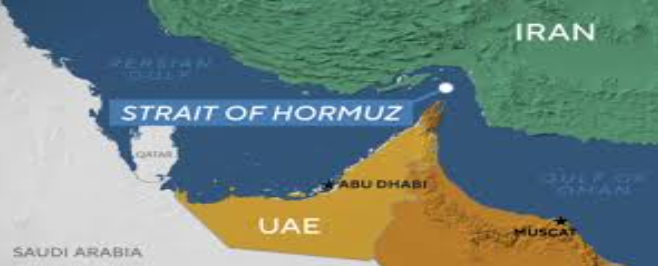
The Strait of Hormuz has become the focal point of a rapidly escalating geopolitical crisis, threatening global trade and energy security. As tensions between Iran and its adversaries intensify, the narrow passageway through which nearly 20% of the world’s oil supply flows has turned into a high-risk zone for commercial shipping.
Iran has issued warnings about controlling or restricting access to the strait, raising alarm among global markets and governments. Several incidents involving drone surveillance, naval maneuvers, and threats against commercial vessels have already led to a sharp decline in shipping activity. Tanker operators are increasingly reluctant to enter the region, resulting in delays and a growing backlog of vessels waiting to pass safely.
The United States and its allies have responded by increasing naval patrols and exploring the possibility of escorting commercial ships through the strait. However, such measures carry their own risks, as they could be perceived as provocative by Iran and further escalate tensions.
The disruption has had a profound impact on global energy markets. Oil prices have surged, and energy-importing nations in Europe and Asia are facing increased costs and supply uncertainty. Governments are tapping into strategic reserves and seeking alternative suppliers, but these measures offer only temporary relief.
The crisis has also highlighted the vulnerability of global supply chains. With shipping routes disrupted, industries ranging from manufacturing to agriculture are experiencing delays and increased costs. The ripple effects are being felt across economies worldwide, raising concerns about a potential global slowdown.


