
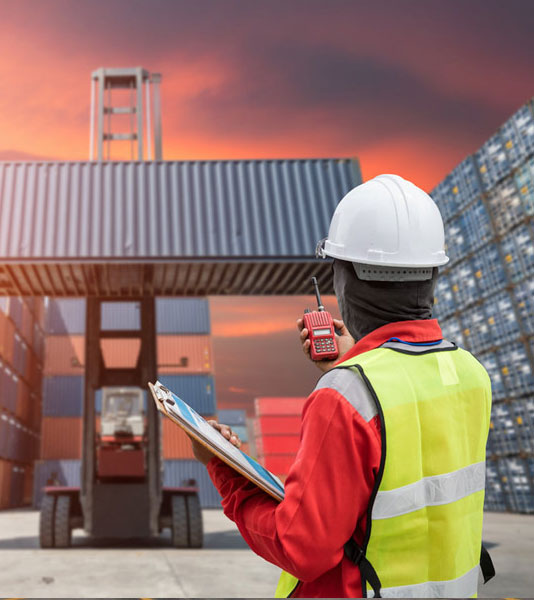
When goods move across international borders, they must go through an important process known as customs clearance. This process ensures that shipments entering or leaving a country follow all legal requirements, taxes are paid, and proper documentation is submitted.For businesses and individuals involved in global trade, understanding customs clearance can save time, prevent delays, and reduce unexpected costs. While the process may sound complicated at first, it becomes much easier once you know the basic steps and requirements. In this guide, we’ll break down what customs clearance means, why it matters, and how the process works.
What Is Customs Clearance?
Customs clearance is the official process of getting goods approved by a country’s customs authority so they can legally enter or leave the country. During customs clearance, government officials review shipment documents, verify the value of goods, and ensure that all duties, taxes, and regulations are properly handled.In simple terms, customs clearance acts as a checkpoint for international shipments. It confirms that the goods being transported meet the country’s legal, safety, and trade regulations.Without proper customs clearance, shipments can be delayed, returned to the sender, or even confiscated.
Why Customs Clearance Is Important
Customs clearance plays a vital role in international trade. Governments use it to regulate the movement of goods and maintain economic stability.One of the main reasons customs clearance is important is because it ensures that the correct duties and taxes are collected. These fees contribute to national revenue and help maintain fair trade practices.Another reason is safety and compliance. Customs authorities inspect shipments to prevent the entry of illegal or restricted items such as hazardous materials, counterfeit products, or prohibited goods.For businesses, efficient customs clearance helps avoid shipping delays and keeps supply chains running smoothly.
Key Documents Required for Customs Clearance
Proper documentation is essential for successful customs clearance. Missing or incorrect paperwork is one of the most common reasons shipments get delayed.Some of the most important documents include:
Commercial Invoice
This document provides details about the goods being shipped, including their value, description, and buyer information.
Packing List
The packing list explains how the goods are packaged and provides information about weight, quantity, and dimensions.
Bill of Lading or Airway Bill
This is the official transport document issued by the shipping carrier.
Import or Export License
Some goods require special permits depending on the regulations of the destination country.Ensuring these documents are accurate and complete can significantly speed up the customs clearance process.
How the Customs Clearance Process Works
Although procedures can vary slightly between countries, the customs clearance process generally follows several common steps.First, the shipment arrives at the destination port or airport. The shipping company or customs broker then submits the required documentation to the customs authorities.Next, customs officials review the documents and determine the duties and taxes that must be paid. In some cases, they may also inspect the shipment to verify the information provided.Once all duties are paid and the shipment meets regulatory requirements, customs officials release the goods. The shipment can then continue to its final destination.Working with an experienced customs broker can make this process faster and easier, especially for businesses that regularly ship goods internationally.
Common Challenges in Customs Clearance
Even though customs clearance is a standard process, several issues can cause delays. One of the most common problems is incomplete or inaccurate documentation.Incorrect product classification can also lead to complications because different goods are subject to different duty rates and regulations.Another challenge is changing international trade rules. Countries may update import regulations, taxes, or restrictions, which can affect shipments if businesses are not aware of the changes.Proper planning, accurate documentation, and professional assistance can help avoid most of these issues.
Tips for Faster Customs Clearance
If you want to avoid delays and ensure a smooth customs clearance process, a few simple practices can make a big difference.Make sure all shipment documents are accurate and consistent. Even small mistakes can cause shipments to be held at customs.Clearly describe the goods being shipped and ensure that the declared value is correct. Transparency helps prevent additional inspections or penalties.Working with experienced logistics providers or customs brokers can also streamline the process. They understand international trade regulations and can help ensure that your shipment meets all requirements.
Conclusion
Customs clearance is an essential step in international shipping that ensures goods move legally across borders. It involves verifying documentation, paying duties and taxes, and meeting regulatory requirements set by customs authorities.While the process may seem complex, understanding the basic steps and preparing accurate documentation can make it much smoother. Businesses that plan ahead and work with experienced professionals often experience fewer delays and more efficient shipments.By taking the time to understand how customs clearance works, you can protect your shipments, avoid unnecessary costs, and keep your global trade operations running smoothly.


