
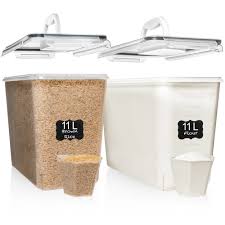
Flour is one of the most essential ingredients in kitchens and food production facilities worldwide. From baking bread and cakes to preparing sauces and batters, flour plays a fundamental role in countless recipes. However, flour is also highly sensitive to environmental conditions such as moisture, air exposure, heat, and pests. Without proper storage, it can quickly lose freshness, develop odors, or even become contaminated.
This is where a flour storage container becomes indispensable. Whether for home kitchens, bakeries, or commercial food businesses, choosing the right storage solution ensures that flour remains fresh, safe, and ready for use.
In this detailed guide, we will explore why flour storage matters, the types of containers available, key features to look for, best storage practices, and how proper containers can improve efficiency and reduce waste.
Why Proper Flour Storage Is Important
Flour may appear to be a stable dry ingredient, but it can easily deteriorate under poor storage conditions. Common problems associated with improper storage include:
- Moisture absorption leading to clumping
- Mold growth
- Pest infestation (such as weevils)
- Oxidation causing off-flavors
- Reduced baking performance
Whole grain flours are particularly sensitive because they contain natural oils that can become rancid over time. Proper storage using a high-quality flour storage container helps prevent these issues and preserves both quality and safety.
What Is a Flour Storage Container?
A flour storage container is a specially designed container that protects flour from exposure to air, humidity, light, and pests. These containers are typically made from food-grade materials such as plastic, glass, stainless steel, or durable composite materials.
The primary goal of a flour storage container is to create a sealed environment that maintains consistent internal conditions, extending the shelf life of the flour.
Benefits of Using a Flour Storage Container
1. Maintains Freshness
Airtight containers prevent air from entering, reducing oxidation and preserving flavor and texture.
2. Protects Against Moisture
Humidity is one of the biggest threats to flour quality. Proper containers block moisture and prevent clumping or mold growth.
3. Prevents Pest Contamination
Pantry pests can easily infest open or poorly sealed flour bags. A secure container eliminates this risk.
4. Improves Kitchen Organization
Flour storage containers are often stackable and neatly designed, making kitchens more organized and efficient.
5. Reduces Food Waste
By extending shelf life and preventing spoilage, you save money and reduce unnecessary waste.
Types of Flour Storage Containers
Different needs require different storage solutions. Here are the most common types:
1. Plastic Airtight Containers
These are lightweight, durable, and often BPA-free. They are ideal for everyday home use and are available in various sizes.
2. Glass Containers
Glass containers are non-reactive and easy to clean. They are excellent for those who prefer plastic-free storage solutions.
3. Stainless Steel Containers
Durable and resistant to light exposure, stainless steel containers are often used in professional kitchens.
4. Commercial Bulk Storage Containers
Large bakeries and food production facilities require high-capacity storage systems. These containers often include advanced sealing mechanisms and monitoring features.
For innovative and reliable storage systems suitable for both small and large-scale needs, you can explore solutions at https://shazo.com/.
Features to Look for in a Flour Storage Container
When choosing the right flour storage container, consider the following:
Airtight Seal
A strong sealing mechanism, such as a silicone gasket or clamp-lock lid, ensures minimal air exposure.
Food-Grade Material
Always select containers made from safe, non-toxic materials approved for food storage.
Capacity
Choose a size that matches your flour usage. Bulk users may require larger containers.
Easy Access
Wide openings make scooping flour easier and reduce mess.
Stackability
Stackable designs maximize storage space, especially in small kitchens.
Best Practices for Storing Flour
Even the best flour storage container works best when combined with proper storage habits:
Store in a Cool, Dry Place
Keep containers away from direct sunlight and heat sources. Pantry shelves or cupboards are ideal.
Avoid Mixing Old and New Flour
Finish older batches before adding new flour to maintain freshness.
Label and Date Containers
Mark purchase or storage dates to monitor freshness.
Refrigerate or Freeze for Long-Term Storage
Whole grain flours can benefit from refrigeration to prevent rancidity.
Clean Containers Regularly
Wash and dry containers thoroughly before refilling to avoid contamination.
Flour Storage in Commercial Settings
In bakeries, restaurants, and food production facilities, flour storage becomes even more critical. Large quantities require reliable systems that ensure:
- Efficient bulk handling
- Contamination control
- Consistent ingredient quality
- Compliance with food safety standards
Modern storage systems may incorporate moisture control, automated dispensing mechanisms, and temperature monitoring to enhance performance.
Businesses seeking scalable and efficient storage technologies can find advanced container solutions at https://shazo.com/, designed to support food safety and operational efficiency.
Sustainability and Environmental Impact
Reusable flour storage containers contribute to sustainability by:
- Reducing reliance on single-use packaging
- Minimizing food waste
- Supporting eco-friendly storage practices
Investing in durable storage solutions helps reduce environmental impact while improving cost efficiency.
Common Mistakes to Avoid
To maintain flour quality, avoid these common storage errors:
- Leaving flour in original paper packaging
- Storing near the stove or heat sources
- Ignoring damaged seals
- Overfilling containers beyond capacity
- Forgetting to monitor expiration dates
By avoiding these mistakes, you can maximize the benefits of your flour storage container.
The Future of Flour Storage Solutions
As technology evolves, flour storage containers are becoming more advanced. Emerging trends include:
- Smart lids with freshness indicators
- Integrated humidity sensors
- Automated dispensing systems
- Eco-friendly and biodegradable materials
These innovations enhance convenience, safety, and sustainability.
Conclusion
A flour storage container is more than just a kitchen accessory—it is a crucial tool for preserving freshness, preventing contamination, and reducing waste. Whether for home baking or commercial food production, proper storage ensures that flour remains safe, flavorful, and ready for use.
If you want read more interesting blog visit over website ouichefboxes


