
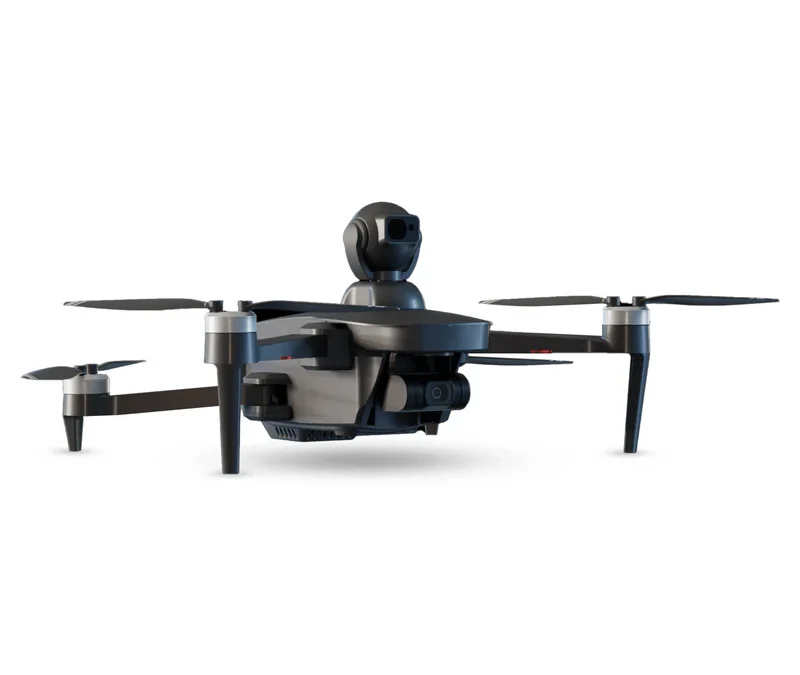
India’s airspace is changing rapidly. The growth of unmanned aerial vehicles across commercial, recreational and tactical sectors has created new opportunities. It has also created new threats.
From border infiltration attempts to contraband drops inside prison complexes, unauthorised drones have emerged as a real security challenge. As a result, drone detector systems in India have become a critical part of modern defence and homeland security infrastructure.
At insideFPV, we operate at the intersection of drone manufacturing and security technology. Understanding drone threats is as important as building advanced UAV platforms. This guide explains how drone detection systems work, the technologies involved, use cases across defence and critical infrastructure, and what organisations must consider before deploying anti drone solutions.
Why Drone Detection Is Now a National Security Priority
Over the past few years, security agencies across India have reported incidents involving unauthorised drones near military bases, border regions and sensitive installations. Small commercial drones are inexpensive, widely available and easy to modify.
These platforms can be used for:
- Cross border smuggling
• Surveillance of restricted areas
• Payload delivery of contraband or explosives
• Reconnaissance before planned attacks
• Disruption of public events
Traditional air defence systems are not designed to detect low altitude small size UAVs. This gap has accelerated demand for dedicated drone detection systems in India.
The need is particularly urgent for the Indian Army, paramilitary forces, state police units and critical infrastructure operators.
What Is a Drone Detector System
A drone detector system is a technology platform designed to identify, track and classify unmanned aerial vehicles operating in protected airspace.
Depending on system design, detection may include:
- Identifying the drone location
• Tracking flight path and altitude
• Pinpointing the operator location
• Classifying the drone type
• Triggering counter measures
Modern anti drone systems combine multiple sensor technologies to reduce false alarms and increase accuracy.
Core Technologies Used in Drone Detection
No single sensor can reliably detect every type of drone. Advanced systems integrate several layers of detection.
Radio Frequency Detection
Most commercial drones communicate with their ground controllers through radio frequency signals. RF detection systems scan the electromagnetic spectrum to identify known drone communication protocols.
Advantages include:
- Ability to detect both drone and operator
• Passive monitoring without emitting signals
• Early warning before the drone enters restricted airspace
Limitations include reduced effectiveness against autonomous drones flying without active RF links.
Radar Based Detection
Specialised low altitude radar systems are designed to detect small objects with low radar cross section. Traditional air defence radar struggles to identify small UAVs because of their size and slow speed.
Modern anti drone radar solutions can:
- Detect micro and small drones
• Track multiple targets simultaneously
• Provide range and altitude data
Radar is especially important for border surveillance and large perimeter protection.
Electro Optical and Infrared Sensors
Electro optical cameras combined with infrared imaging provide visual confirmation after radar or RF detection.
These systems enable:
- Day and night tracking
• Target verification
• Evidence recording
• Thermal signature identification
Infrared sensors are useful for detecting drones during night operations or low visibility conditions.
Acoustic Sensors
Acoustic detection systems analyse the unique sound signature of drone motors and propellers.
These systems are useful in urban environments where radar reflections may be complex. However, performance can be affected by background noise. When soldiers began adapting racing drones for combat use, the FPV Drone Exposed the Future of Modern Warfare by demonstrating precision strikes guided through live video feeds.
Integrated Anti Drone Systems
The most effective drone detection solutions in India are integrated platforms combining:
- RF detection
• Radar tracking
• Electro optical cameras
• Command and control software
After detection, some systems also include neutralisation capabilities such as signal jamming or takeover mechanisms, subject to regulatory approval.
In India, development of indigenous counter drone systems has been supported by organisations including Defence Research and Development Organisation.
Applications of Drone Detector Systems in India
Demand for anti drone technology spans multiple sectors.
Border Security
Border regions face increasing risk from small drones used for smuggling weapons and narcotics. Detection systems provide early warning and tracking capability to security forces.
Military Installations
Air bases ammunition depots and forward operating bases require layered airspace protection. Drone detection systems form part of a larger air defence grid.
Critical Infrastructure
Airports power plants oil refineries and nuclear facilities must prevent unauthorised drone intrusion. Drone detection enhances physical security frameworks.
Public Events
High profile events with large crowds are potential targets for aerial surveillance or payload delivery. Temporary drone detection deployments are used for event security.
Correctional Facilities
Several prisons in India have reported drone based contraband drops. Detection systems help monitor restricted airspace above prison complexes.
Legal and Regulatory Considerations
Drone detection and counter measures in India operate within a regulated framework.
The Ministry of Civil Aviation oversees civil drone operations under Drone Rules 2021. However, counter drone measures that involve jamming or signal interference require special government authorisation.
Only authorised government agencies are permitted to deploy active neutralisation measures. Private entities can deploy detection systems but must comply with spectrum regulations and security guidelines.
Organisations considering anti drone deployment must coordinate with appropriate authorities before implementation.
Challenges in Drone Detection
While technology has advanced, several operational challenges remain.
Small Size and Low Altitude
Micro drones are difficult to detect due to their limited radar signature and low flight profile.
Urban Interference
Buildings and electromagnetic noise in cities can complicate RF and radar detection.
Autonomous Drones
Pre-programmed drones flying without active RF communication reduce effectiveness of signal detection systems.
False Positives
Birds and other aerial objects can trigger radar alerts if systems are not properly calibrated.
Overcoming these challenges requires sensor fusion and intelligent command software.
The Importance of Indigenous Development
India’s push for self reliance in defence manufacturing has extended to anti drone systems.
Indigenous development ensures:
- Customisation for Indian terrain and climate
• Integration with domestic command networks
• Reduced dependence on foreign suppliers
• Faster deployment cycles
Government support for domestic drone and counter drone innovation aligns with national security priorities.
How Drone Manufacturers Must Adapt
For responsible drone manufacturers, the rise of drone detection systems is not a threat but a reminder of accountability.
Manufacturers must ensure:
- Secure communication protocols
• Geo fencing integration
• Compliance with Digital Sky requirements
• Traceable serial identification
• Robust fail safe mechanisms
At insideFPV, we design UAV systems with secure architecture and regulatory compliance in mind. A secure drone ecosystem benefits both operators and national security agencies. In recent years, FPV Drones have also gained attention for their applications in surveillance and tactical operations.
Selecting the Right Drone Detection System
Organisations planning deployment should evaluate:
- Area of coverage required
• Terrain characteristics
• Expected drone threat profile
• Integration with existing security infrastructure
• Scalability for future expansion
• Compliance with regulatory permissions
No single system fits every use case. Border surveillance requires long range radar integration. Urban event security may rely more on RF and optical detection.
The Future of Counter Drone Technology in India
As drone adoption grows, drone detection will become a standard layer of security infrastructure.
Emerging trends include:
- Artificial intelligence driven target classification
• Networked detection grids across cities
• Portable rapid deployment systems
• Integration with command control centres
• Real time analytics dashboards
The objective is not just detection but situational awareness across multiple protected zones.
Security is evolving from reactive response to predictive monitoring.
Final Thoughts
Drone detector systems in India are no longer optional for sensitive installations and defence aligned oprations. The expansion of UAV technology has made airspace security a priority across sectors.
From border protection to airport security, integrated anti drone solutions combining RF radar optical and infrared sensors provide layered defence against unauthorised UAV activity.
As indigenous manufacturing strengthens and policy frameworks mature, India is building a more resilient airspace protection ecosystem.
At insideFPV, we believe that responsible drone innovation must go hand in hand with robust detection and security infrastructure. The future of unmanned aviation in India depends not only on how advanced drones become, but on how effectively we secure the skies they operate in.


