
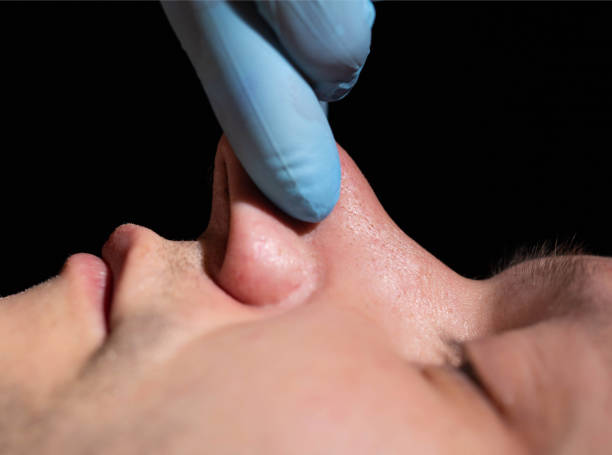
Nosebleeds, medically known as epistaxis, are bleeding that occurs when blood leaks out of the nose due to damage to blood vessels inside the nose. The inner lining of the nose contains numerous thin and delicate blood vessels. These vessels, especially in the front (Kisselbach’s area), run very close to the surface and are therefore easily damaged. Most of the time, nosebleeds are short-lived and mild; however, in some cases, they can lead to significant blood loss and require medical attention. Nosebleeds are generally classified as anterior or posterior nosebleeds. Anterior nosebleeds are the most common type and can usually be managed at home with simple first-aid measures. Posterior nosebleeds, on the other hand, are more commonly seen in older adults and individuals with high blood pressure and often require urgent medical intervention. In recurrent or persistent cases, treatments such as nasal cautery may be recommended to seal the affected blood vessels and prevent further episodes.
What causes nosebleeds?
The causes of nosebleeds are very diverse. In some cases, simple environmental factors play a role, while in others, there is a serious underlying illness.
1. Environmental and Mechanical Reasons
- Picking one’s nose,
- Blowing your nose forcefully,
- Nasal trauma resulting from a blow or fall,
- Dry air and low humidity (especially during winter months),
- Spending long periods of time in air-conditioned environments,
- Allergic rhinitis (inflammation of the nose)
- Nasal infections,
In these conditions, the nasal mucosa dries out, cracks, and begins to bleed easily.
2. Drug and Substance Use
- Blood thinners (aspirin, warfarin, clopidogrel)
- Long-term use of nasal sprays
- Harmful substances like cocaine
These substances disrupt the integrity of the blood vessels inside the nose or prevent clotting.
3. Systemic (Body-related) Causes
- Hypertension (high blood pressure)
- Chronic liver diseases
- Coagulation disorders (hemophilia, thrombocytopenia)
- Cancer or tumors (rare)
- Hormonal changes during pregnancy
In these types of cases, nosebleeds can be recurrent and may require treatment of the underlying condition.
Who is more prone to nosebleeds?
- In children, it is frequently seen due to nose picking and allergies.
- In older adults, Blood vessels weaken, and bleeding becomes more severe due to high blood pressure and medication use.
- In pregnant women, increased estrogen levels cause blood vessels to dilate.
- In athletes, it is frequently seen due to trauma and the effects of dry air.
Nosebleeds can occur in anyone, regardless of age or gender, but they should be evaluated if they become recurrent.
How to Stop a Nosebleed? (First Aid)
Most nosebleeds can be stopped at home with a few simple steps. However, correct intervention is crucial, as incorrect actions (such as tilting the head back) can cause blood to flow down the throat. The correct first aid steps are as follows:
- Stay calm: Panic increases heart rate and worsens bleeding.
- Lower your head: This will prevent blood from being swallowed and accumulating in your throat.
- Pinch your nostrils: Gently pinch the sides of your nostrils with your thumb and index finger. Hold this position for 10 minutes.
- Breathe through your mouth: It’s important to breathe calmly during this process.
- Apply a cold compress: Applying a cold compress to the bridge of the nose or the back of the neck constricts blood vessels.
Do not pick or blow your nose for 24 hours after the bleeding stops. If the bleeding lasts longer than 20 minutes, recurs frequently, or comes from the back of the nose, you should consult an ENT (Ear, Nose, and Throat) specialist immediately.
Things to Avoid During a Nosebleed
- Tilting the head back: This can cause blood to rush to the throat, leading to nausea and vomiting.
- Plugging the throat with cotton: This disrupts clot formation and can cause further bleeding when removed.
- Excessive nose blowing: It dislodges a fresh blood clot.
- Applying oil or ointment to the nose: Should not be used without a doctor’s recommendation.
- Incorrect intervention can worsen the bleeding.
Ways to Prevent Nosebleeds
If nosebleeds occur frequently, it is possible to reduce their frequency with some simple measures.
1. Increase the room humidity
Dry air can irritate the mucous membranes. Placing a humidifier in the room or putting a container of water on the radiator can be helpful.
2. Pay attention to nasal hygiene
Moistening the inside of the nose with saline solution protects the nasal passages. Avoid forceful nose blowing and picking at the nose.
3. Pay attention to medication use
Use blood thinners or long-term nasal sprays only under the supervision of a doctor. Do not stop or change medication on your own.
4. Avoid trauma
Nasal trauma is the most common cause of nosebleeds. It is beneficial for children who participate in sports to use protective helmets or face masks.
5. Treat Underlying Conditions
Regular check-ups are essential if you have high blood pressure, allergies, sinusitis, or clotting disorders. Controlling these conditions can also reduce nosebleeds.
When should you see a doctor for a nosebleed?
Emergency medical attention is required if any of the following conditions are present :
- If the bleeding lasts longer than 20 minutes,
- If the cause of the bleeding is unclear and it recurs frequently,
- If blood is coming from the back of the nose into the mouth,
- If accompanied by dizziness, weakness, and cold sweats,
- If the person is using blood thinners,
- If it occurred after trauma (nasal fracture, head trauma)
These symptoms may be indicative of a severe or systemic illness.
How to Manage Nosebleeds in Children?
Nosebleeds in children are usually simple, but they should be investigated if they occur frequently. The most common causes are nose picking, allergies, or dry air.
Parents should take the following precautions:
- Children should be taught not to pick their noses.
- Nails should be kept short.
- Room humidity should be increased.
- The inside of the nose should be kept moist with saline sprays.
- When bleeding occurs, as with adults, the head should be tilted forward, the nose should be pinched, and calmness should be maintained.
Nosebleeds and Underlying Diseases
Frequent nosebleeds can sometimes be a sign of other illnesses. For example:
- Hypertension: High blood pressure can cause blood vessels in the nose to rupture.
- Clotting disorders (hemophilia, thrombocytopenia): Bleeding time is prolonged.
- Liver diseases: Clotting factors decrease.
- Nasal tumors: Although rare, they should be investigated in cases of recurrent unilateral bleeding.
- In these types of cases, it’s crucial to treat the underlying cause, not just the bleeding.
Frequently Asked Questions (FAQ)
-
What causes nosebleeds?
The most common causes are dry air, nose picking, and allergic rhinitis. However, high blood pressure, medication, or clotting disorders can also be a cause.
-
How to stop a nosebleed?
Tilt your head forward, pinch your nostrils together for 10 minutes, and apply a cold compress to the bridge of your nose.
-
Is a nosebleed dangerous?
Short nosebleeds are usually harmless. However, nosebleeds that last longer than 20 minutes, recur frequently, or begin after trauma can be serious.
-
Is nosebleeding normal in children?
It’s common in children, and most are harmless. However, if it occurs several times a week, an ENT evaluation is necessary.
-
Can someone with a nosebleed take aspirin?
No. Aspirin thins the blood and can worsen the bleeding. It should not be taken without a doctor’s recommendation.
-
What should be done to prevent nosebleeds from recurring?
The environment should be kept humid, and the inside of the nose should be moistened with saline solution. Avoid blowing your nose forcefully and picking your nose.
In conclusion
Nosebleeds are often a simple condition that stops on its own. However, they should be taken seriously if they occur frequently, last a long time, or are associated with general health problems. Proper first aid and moisturizing measures at home are usually sufficient in most cases. However, if there is high blood pressure, a clotting disorder, or frequent use of blood thinners, the underlying cause must be investigated. In such situations, consulting experienced ENT consultants West Yorkshire can help identify the root cause and provide appropriate treatment to prevent recurrent nosebleeds.


