
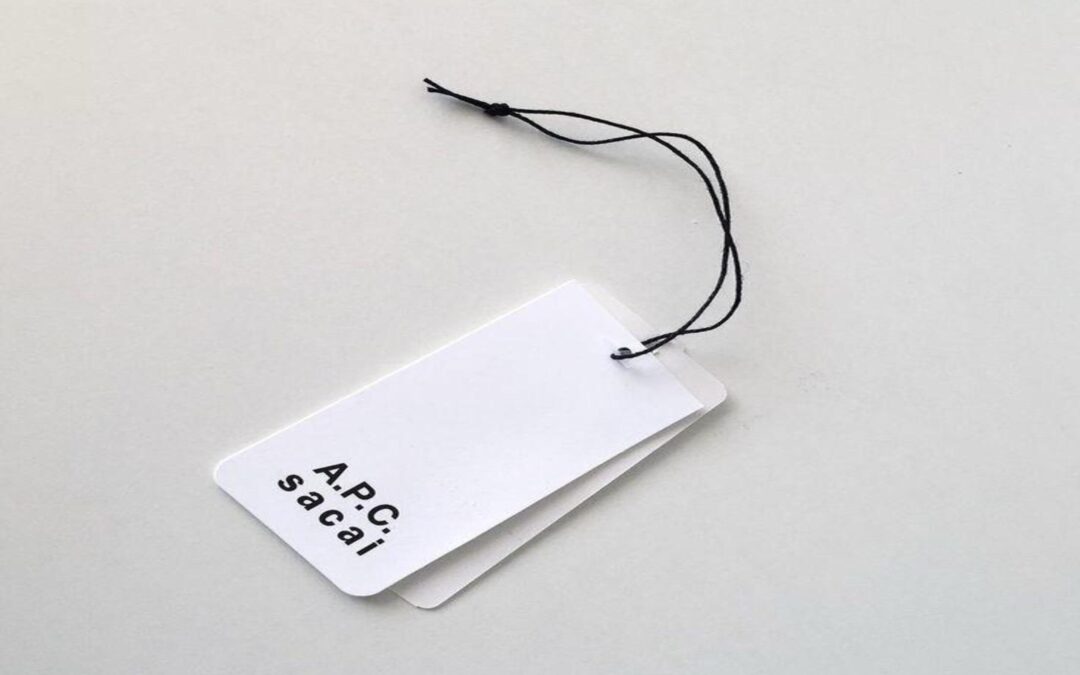
In an increasingly digital retail landscape, physical brand touchpoints still play a powerful role in shaping consumer perception. One such detail—often overlooked but highly influential—is the swing tag. Among the many variations available today, embossed swing tags stand out for their ability to convey quality, heritage, and intent through touch as much as sight. For UK businesses operating in fashion, retail, and premium goods, understanding how embossed swing tags function within modern branding is less about decoration and more about strategic communication.
This article explores the relevance of embossed swing tags in the UK market, their practical and psychological impact, and how brands are using them to reinforce trust and positioning—without relying on overt marketing.
Why Embossed Swing Tags Still Matter in Modern Retail
Despite the growth of eCommerce, packaging and physical branding remain critical at the point of unboxing, in-store browsing, and product handling. Swing tags are often the first branded element a customer touches. Embossing enhances this moment by adding texture, depth, and permanence.
In the UK retail environment—where consumers are highly brand-aware and increasingly quality-conscious—embossed swing tags signal attention to detail. The raised elements subtly communicate that a brand has invested time and thought into its presentation, which can influence how the product itself is perceived.
From a psychological standpoint, tactile elements activate sensory memory. Studies in consumer behaviour consistently show that texture increases perceived value, particularly in fashion and luxury-adjacent sectors. This makes embossed swing tags not just an aesthetic choice, but a functional one.
Understanding Embossing: Technique and Practical Considerations
Embossing is a print finishing technique that raises specific areas of a design—such as logos, typography, or symbols—above the surface of the card. Unlike foil stamping or spot UV, embossing relies on pressure rather than ink or coating, which gives it a more understated and timeless effect.
In the context of embossed swing tags UK suppliers produce, several variables influence the final outcome:
-
Paper stock: Thicker, uncoated card stocks (such as kraft, recycled, or cotton-based papers) tend to hold embossing better.
-
Design simplicity: Clean logos and minimal text emboss more effectively than complex graphics.
-
Depth of emboss: Subtle embossing suits minimalist brands, while deeper embossing can create a bold, sculptural feel.
Because embossing alters the physical structure of the tag, it requires careful planning during the design phase. UK brands increasingly collaborate early with print specialists to ensure the emboss complements the overall brand system rather than overpowering it.
Embossed Swing Tags UK: Market Trends and Brand Usage
In the UK, embossed swing tags are most commonly associated with fashion labels, boutique retailers, artisan producers, and premium food or beverage brands. However, recent trends show broader adoption across lifestyle, wellness, and even tech accessory markets.
Several factors are driving this shift:
-
Sustainability narratives
As brands move away from plastic finishes and excessive coatings, embossing offers a low-ink, low-waste way to add distinction. When paired with recycled or FSC-certified card, embossed swing tags align well with eco-conscious messaging—something UK consumers increasingly value. -
Quiet luxury and minimalism
The rise of “quiet luxury” has influenced packaging choices. Instead of loud colours or heavy foiling, brands opt for subtle embossing to convey confidence and restraint. This trend is particularly visible in London-based fashion and accessories brands. -
Storytelling through materials
Embossing allows brands to tell a story through feel. A heritage brand might use deep embossing on textured card to suggest craftsmanship, while a modern label might choose blind embossing on smooth white stock for a clean, contemporary look.
These trends suggest that embossed swing tags are no longer niche—they are becoming a standard tool for brands that care about perception and longevity.
Comparing Embossed Swing Tags with Other Finishes
To understand the value of embossing, it helps to compare it with other common swing tag finishes used in the UK:
-
Foil stamping adds visual impact and shine but can feel overtly decorative if overused.
-
Spot UV creates contrast through gloss but relies heavily on lighting conditions.
-
Digital printing alone is cost-effective but lacks tactile engagement.
Embossed swing tags sit somewhere in the middle. They are not the cheapest option, but they offer durability and sensory value that purely visual finishes cannot replicate. Importantly, embossing ages well—raised elements do not fade or scratch in the same way inks and foils can.
For brands focused on long-term identity rather than short-term campaigns, embossing often proves to be a more sustainable investment.
Quality Signals, Trust, and Brand Authority
From a branding perspective, embossed swing tags function as trust signals. They imply consistency, scale, and professionalism—qualities that matter to both consumers and retail partners. In wholesale or B2B contexts, buyers often interpret high-quality tags as evidence that a brand is established and reliable.
This is one reason many UK packaging specialists, such as Sky Tags And Bags, often discuss embossing not as an add-on, but as part of a broader brand presentation strategy. When used thoughtfully, embossed swing tags contribute to a cohesive brand experience that extends beyond the product itself.
It’s also worth noting that embossed tags are harder to replicate cheaply. This subtle barrier can help protect brand identity in markets where imitation is a concern.
Conclusion: A Small Detail with Long-Term Impact
Embossed swing tags may appear to be a minor packaging component, but in practice, they carry significant weight. In the UK market—where consumers are discerning and brand narratives matter—these tactile details help bridge the gap between product and perception.
By offering durability, sensory engagement, and understated elegance, embossed swing tags support brand trust without shouting for attention. They align well with current trends around sustainability, minimalism, and authenticity, making them a relevant choice for modern businesses.
Ultimately, the value of embossed swing tags lies not in decoration, but in intention. When used strategically, they become a quiet yet powerful expression of brand identity—one that customers can quite literally feel.


