
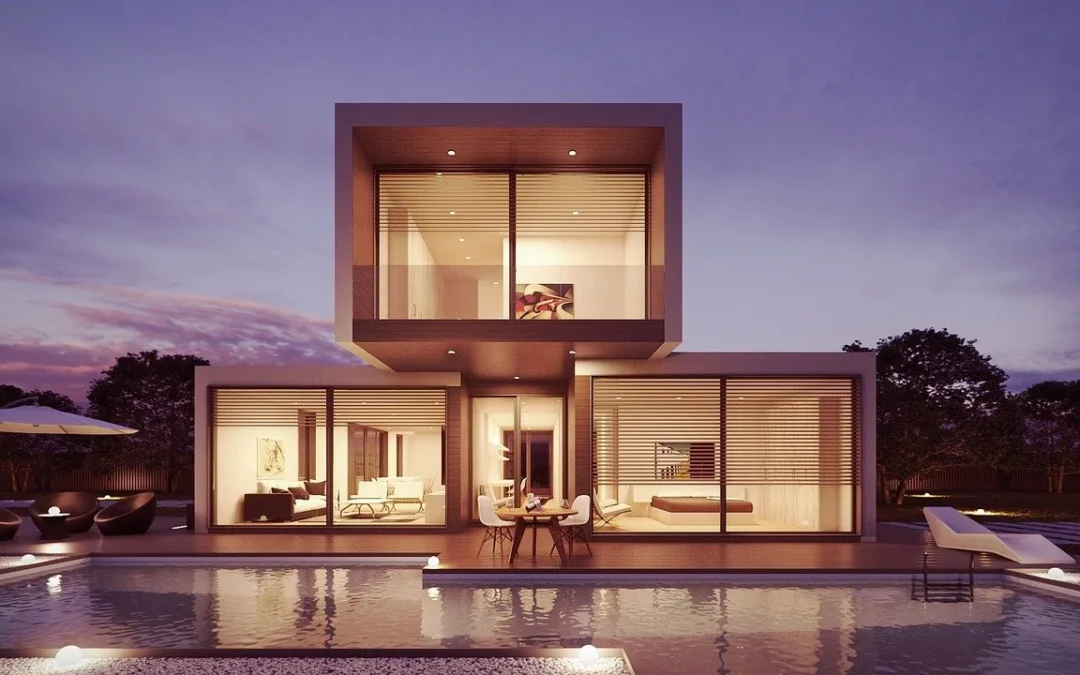
Modular homes are becoming an increasingly popular housing solution. As buyers look for affordability, efficiency, and sustainability, modular construction offers a practical alternative to traditional site-built houses. Whether you are a first-time homeowner, property investor, or developer, understanding the benefits of modular homes can help you make an informed decision.
What Are Modular Homes?
Modular homes are prefabricated structures built in sections (modules) inside a controlled factory environment. These modules are then transported to the final site and assembled on a permanent foundation. Unlike mobile homes, modular homes are permanent structures that comply with local and national building codes.
The construction process differs significantly from conventional homes. Instead of building everything onsite—subject to weather delays and logistical challenges—modular homes are manufactured indoors with precise engineering and quality control.
How Modular Construction Works
The modular home construction process typically follows these steps:
-
Design and Planning – Buyers choose a pre-designed floor plan or customize their own layout.
-
Factory Manufacturing – Individual modules are constructed with plumbing, electrical wiring, insulation, and interior finishes.
-
Transportation – Completed modules are delivered to the building site.
-
Assembly and Installation – Modules are placed on a prepared foundation and permanently connected.
-
Final Finishing – Roofing, exterior finishes, and utility connections are completed.
Because most of the work is completed in a factory setting, the timeline is significantly shorter than traditional construction.
Benefits of Modular Homes
1. Faster Construction Time
One of the biggest advantages of modular homes is speed. While traditional homes may take 6–12 months (or longer), modular homes can often be completed within a few months. Factory production eliminates weather-related delays and allows simultaneous site preparation and home construction.
2. Cost-Effective Housing
Modular homes are generally more affordable due to:
-
Bulk purchasing of materials
-
Reduced labor costs
-
Efficient production methods
-
Shorter construction timelines
Lower costs do not mean lower quality. In fact, factory-controlled environments often produce more consistent results.
3. High-Quality Standards
Since modules are built indoors, materials are protected from weather damage. Additionally, factory inspections and standardized processes often ensure strict quality control at every stage.
4. Energy Efficiency
Modern modular homes are designed with energy efficiency in mind. Features may include:
-
High-performance insulation
-
Energy-efficient windows
-
Smart HVAC systems
-
Solar panel compatibility
These features reduce long-term utility costs and environmental impact.
5. Customization Options
Many people assume modular homes are limited in design—but that’s not true. Buyers can customize:
-
Floor plans
-
Exterior finishes
-
Roofing styles
-
Interior layouts
-
Kitchen and bathroom fixtures
From compact starter homes to luxury multi-story residences, modular construction offers flexible design possibilities.
Modular Homes vs. Traditional Homes
When comparing modular homes to traditional site-built houses, several differences stand out:
| Feature | Modular Homes | Traditional Homes |
|---|---|---|
| Construction Location | Factory-built | Onsite |
| Construction Time | Faster | Slower |
| Weather Delays | Minimal | Common |
| Cost Predictability | High | Variable |
| Structural Strength | Often reinforced for transport | Standard framing |
Interestingly, modular homes are often structurally stronger because they must withstand transportation from the factory to the site.
Environmental Advantages
Sustainability is a growing concern worldwide. Modular homes contribute positively to environmental goals in several ways:
-
Reduced material waste due to precise factory cutting
-
Efficient resource management
-
Lower carbon footprint from shorter construction timelines
-
Potential for eco-friendly materials integration
Because of these benefits, modular homes align well with green building initiatives.
Are Modular Homes Durable?
Yes. Modern modular homes are built to meet or exceed the same building codes as traditional homes. They are placed on permanent foundations and can last as long as site-built houses when properly maintained.
Additionally, because modules are constructed to endure transportation stress, they often include reinforced framing and strong structural connections.
Financing and Resale Value
Many potential buyers worry about financing and resale value. Fortunately:
-
Modular homes qualify for standard home loans.
-
They appreciate traditional homes.
-
Insurance coverage is typically comparable to that of conventional houses.
Location, market conditions, and property upkeep influence resale value more than construction method.
Ideal Applications for Modular Homes
Modular homes are suitable for various purposes, including:
-
Primary residences
-
Vacation homes
-
Rental properties
-
Workforce housing
-
Student housing
-
Remote or rural developments
Their adaptability makes them attractive for both individual homeowners and large-scale developers.
Challenges to Consider
While modular homes offer many advantages, there are a few considerations:
-
Transportation logistics can be complex.
-
Site accessibility must accommodate module delivery.
-
Local zoning laws may impose restrictions.
-
Upfront design decisions must be finalized early in the process.
Working with experienced manufacturers and contractors helps minimize these challenges.
The Future of Modular Housing
The housing industry is evolving rapidly. With advancements in technology, automation, and sustainable materials, modular homes are positioned to play a significant role in addressing global housing shortages.
Innovations such as 3D design modeling, energy-efficient materials, and smart home integration are enhancing the appeal of modular construction. Governments and developers are increasingly adopting modular housing to deliver affordable, high-quality homes at scale.
As urban populations grow and land prices rise, modular homes provide a practical solution that balances cost, speed, and quality.
Conclusion
Modular homes represent a modern approach to residential construction. With faster build times, cost savings, sustainability benefits, and design flexibility, they offer a compelling alternative to traditional housing methods.
Whether you’re building your first home or investing in real estate development, modular homes deserve serious consideration. As technology continues to improve and demand for efficient housing rises, modular construction is not just a trend—it’s the future of smart living.


