
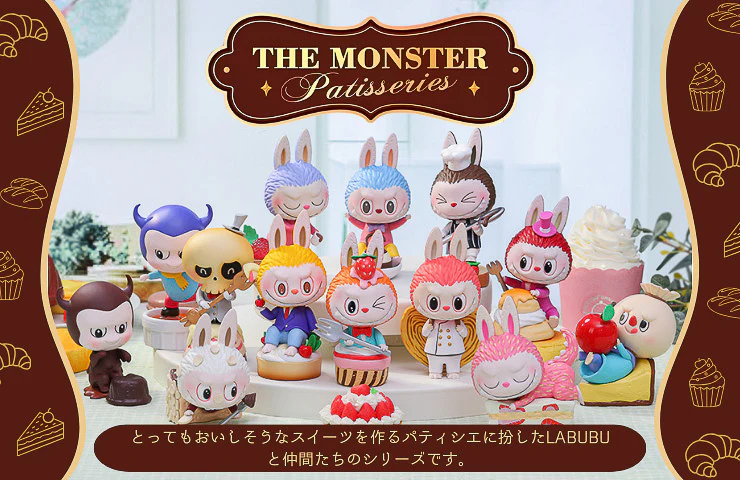
In the evolving world of designer toys, few characters have managed to capture global attention quite like Labubu. At first glance, Labubu may appear like a quirky, slightly chaotic little creature with oversized eyes, a sharp-toothed grin, and a mischievous aura that sits somewhere between cute and eerie. But beneath this unusual design lies a deeply expressive character that represents creativity, imagination, and emotional storytelling in collectible art.
Labubu is not just a toy—it is a symbol of modern pop culture’s fascination with “imperfect cuteness.” Created under the creative umbrella of POP MART and designed by artist Kasing Lung, Labubu has grown from a niche designer figure into a global collectible phenomenon. What makes it truly unique is not just its appearance, but the emotional reaction it evokes: people either instantly fall in love with it or become fascinated by its strange charm.
In a world full of polished, predictable character designs, Labubu stands out by being unapologetically weird—and that is exactly its power.
The Origins of Labubu: Where Imagination Meets Storytelling
The origin of Labubu traces back to the artistic imagination of Kasing Lung, a Hong Kong-based illustrator known for his fairy-tale-inspired worlds. Labubu originally appeared in illustrated storybooks as part of a mystical forest universe inhabited by strange creatures, each with its own personality and emotional depth.
Unlike traditional mascots designed purely for commercial appeal, Labubu was born from storytelling. It was not created to be “perfect” or conventionally cute. Instead, it reflects a more honest emotional spectrum—curiosity, mischief, loneliness, playfulness, and even mild chaos.
When POP MART introduced Labubu into its blind box collectible series, the character quickly gained momentum. The blind box format—where buyers do not know which version of the figure they will receive—added an element of surprise and emotional excitement. Suddenly, Labubu was not just a character in a book; it became a tangible companion that people could collect, trade, and emotionally connect with.
Design Philosophy: The Beauty of Imperfection
One of the most striking aspects of Labubu is its unconventional design. It does not follow the typical rules of “cute character aesthetics.” Instead, it embraces asymmetry, sharp teeth, uneven expressions, and exaggerated features.
At its core, Labubu represents the idea that beauty does not need to be perfect. Its wide eyes often reflect curiosity or mischief, while its toothy grin suggests playful trouble rather than friendliness. This duality is what makes it so fascinating—it is both adorable and slightly unsettling at the same time.
This design philosophy resonates deeply with modern audiences, especially younger collectors who are drawn to authenticity over perfection. Labubu feels alive because it is not sanitized. It carries emotional contradiction, much like real human personalities.
In many ways, Labubu challenges traditional definitions of “cute culture” that have dominated East Asian collectibles for decades. Instead of soft sweetness, it offers character depth, emotional unpredictability, and artistic edge.
The Role of POP MART in Global Popularity
The global rise of Labubu cannot be discussed without acknowledging the influence of POP MART. As one of the most influential designer toy companies in the world, POP MART has mastered the art of turning art toys into mainstream collectibles.
Through its blind box system, POP MART transformed Labubu into an experience rather than just a product. Each box carries anticipation, excitement, and surprise. Collectors are not just buying a figure—they are participating in a ritual of discovery.
POP MART’s retail strategy, combining physical stores, vending machines, and online drops, helped Labubu reach audiences far beyond Asia. Today, Labubu figures are collected across Europe, North America, and Southeast Asia, making it a truly global icon in designer toy culture.
The company also collaborates with artists and releases themed Labubu series, each exploring different moods, costumes, and fantasy worlds. This constant reinvention keeps the character fresh and desirable in a highly competitive collectible market.
Emotional Connection: Why People Love Labubu
What makes La bubu truly special is the emotional connection it creates with collectors. Unlike mass-produced toys that feel static, Labubu feels expressive. Each variation seems to carry a different mood—some versions look playful, others curious, and some even slightly melancholic.
Collectors often describe Labubu as a “tiny emotional companion.” Its exaggerated expressions allow people to project their own feelings onto it. On a stressful day, Labubu might feel chaotic and relatable. On a calm day, it might feel whimsical and comforting.
This emotional flexibility is rare in collectible design. Labubu does not force a single personality; instead, it mirrors the emotional state of the viewer. That is why it resonates so strongly with modern audiences who value emotional authenticity and self-expression.
Cultural Impact: From Niche Collectible to Global Trend
Labubu’s rise reflects a broader shift in global pop culture. Designer toys are no longer niche items reserved for collectors—they are now part of mainstream lifestyle aesthetics. Social media platforms like Instagram, TikTok, and Pinterest have amplified Labubu’s visibility, turning it into a visual trend.
Collectors proudly display Labubu figures on desks, shelves, and creative workspaces. Some even treat them as emotional mascots or photography subjects. The character has become a symbol of personal identity and artistic taste.
In many ways, Labubu represents the fusion of art, commerce, and emotional storytelling. It blurs the line between toy and artwork, object and character, collectible and companion.
The Psychology Behind Labubu’s Appeal
From a psychological perspective, Labubu’s appeal lies in its “controlled unpredictability.” Humans are naturally drawn to faces and expressions, especially those that suggest emotion. Labubu’s face is expressive but ambiguous—it does not clearly signal happiness or sadness, allowing the viewer’s imagination to fill in the gaps.
This ambiguity creates a stronger emotional bond than overly simplistic cute designs. The brain enjoys decoding Labubu’s expression, making it more engaging over time.
Additionally, the blind box experience triggers anticipation and reward mechanisms in the brain. The uncertainty of which Labubu variant will appear increases excitement and emotional investment, making each purchase feel meaningful.
Labubu as a Modern Art Symbol
Beyond commercial success, Labubu can also be seen as a piece of modern art culture. It challenges traditional boundaries between fine art and consumer products. Like many contemporary art toys, it exists in a space where creativity meets accessibility.
Artists like Kasing Lung use characters like Labubu to explore emotional storytelling in a simplified visual form. Each version of Labubu can be interpreted as a different emotional snapshot, almost like pages from a visual diary.
This artistic depth is what elevates Labubu beyond typical merchandise. It is not just something to collect—it is something to interpret.


