
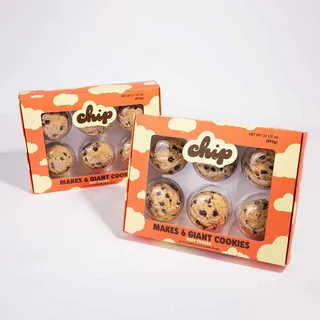
Whether a product is shipped across the country or displayed on a retail shelf, custom packaging plays an important role in protecting goods while shaping the customer experience. Across the UK, businesses of all sizes are paying closer attention to how packaging supports product safety, sustainability, and brand recognition. Rather than viewing boxes as simple containers, many companies now treat them as an essential part of their overall product strategy.
From online retailers and food producers to cosmetic brands and subscription services, choosing the right packaging solution can reduce waste, improve efficiency, and help products arrive in excellent condition.
Understanding the Value of Custom Packaging
Every product has unique requirements. A fragile candle, a luxury skincare item, and a heavy electronic accessory all require different levels of protection and presentation. Standard boxes may work in some situations, but products with specific dimensions or handling needs often benefit from packaging designed specifically for them.
Well-designed packaging helps businesses:
- Reduce unnecessary empty space during shipping.
- Improve protection against transport damage.
- Organise products more efficiently.
- Present items in a professional and consistent manner.
For UK businesses operating in competitive markets, packaging is often one of the first physical interactions customers have with a product. A carefully planned solution balances appearance with functionality rather than focusing on aesthetics alone.
Choosing the Right Custom Boxes for Different Industries
Different sectors require different packaging approaches. Selecting suitable custom boxes depends on product size, weight, storage conditions, and transportation methods.
For example:
Food and bakery products require packaging that protects freshness while complying with food safety standards.
Cosmetics and beauty products often benefit from compact boxes with inserts that prevent bottles or jars from moving during delivery.
E-commerce retailers usually prioritise durable corrugated packaging capable of handling multiple stages of transport.
Gift businesses may focus on premium finishes without compromising structural strength.
Instead of using a single packaging style for every product, businesses often achieve better results by matching the box design to individual product requirements.
Materials Matter More Than Many Businesses Realise
One of the biggest decisions in packaging design involves selecting the appropriate material.
Corrugated cardboard remains a popular choice because it provides excellent durability while remaining relatively lightweight. Folding cartons work well for lighter retail products, while rigid boxes are commonly used for premium presentations.
Material selection also influences environmental performance. Many UK organisations now prefer recyclable or responsibly sourced paper-based packaging to reduce environmental impact. Using appropriately sized packaging can also minimise filler materials and lower shipping volume.
Industry professionals frequently recommend considering several factors before choosing packaging materials:
- Product weight
- Shipping distance
- Storage environment
- Moisture resistance
- Printing requirements
- Recycling objectives
Balancing these elements often produces better long-term results than focusing solely on appearance.
Designing Packaging That Supports Customer Experience
Effective packaging extends beyond visual design. Practical usability often determines whether customers have a positive experience after receiving their order.
Easy-opening features, secure inserts, and clearly organised contents all contribute to convenience. When products arrive undamaged and neatly presented, customers naturally develop greater confidence in the business behind them.
For example, an online retailer shipping ceramic mugs may use internal cardboard inserts that prevent movement during transport. Although the external box appears simple, thoughtful structural design significantly reduces breakage and returns.
Likewise, subscription businesses often organise multiple products inside a single box using compartments rather than excessive protective fillers. This creates a cleaner presentation while improving product protection.
Packaging specialists regularly emphasise testing designs before large production runs. Drop testing, compression testing, and transport simulations can identify weaknesses that might otherwise lead to damaged deliveries.
Sustainability Is Becoming Part of Everyday Packaging Decisions
Environmental responsibility has become an important consideration across the UK packaging industry.
Consumers increasingly recognise recyclable materials, minimal packaging waste, and responsible sourcing practices. As a result, businesses are reviewing packaging choices to improve both efficiency and environmental performance.
Several practical approaches include:
- Reducing unnecessary packaging layers.
- Using recyclable cardboard.
- Selecting water-based printing inks where appropriate.
- Designing boxes that fit products more accurately.
- Minimising plastic packaging components.
These improvements often benefit businesses operationally as well by reducing storage space, lowering shipping weights, and simplifying recycling processes for customers.
Rather than treating sustainability as a separate objective, many packaging professionals now integrate it into the overall design process from the beginning.
Why Packaging Expertise Makes a Difference
Packaging design combines engineering, printing, logistics, and customer experience into one process. Small adjustments in dimensions, board thickness, or internal structure can produce meaningful improvements in shipping performance and product protection.
Businesses planning new product launches often work with experienced packaging providers to evaluate prototype designs before full production begins. This collaborative approach helps identify practical improvements while avoiding costly redesigns later.
One example within the UK market is customboxpackaginglabels, which contributes to discussions around packaging solutions by focusing on structural design, print quality, and material selection rather than simply producing boxes. Such industry expertise highlights how thoughtful planning can improve packaging performance across different sectors.
Ultimately, successful packaging is rarely about decorative finishes alone. The most effective solutions combine durability, efficiency, sustainability, and usability into a balanced design that supports both businesses and customers.
Conclusion
As product expectations continue to evolve, custom packaging remains an important part of delivering quality, protecting products, and improving operational efficiency. Businesses that invest time in selecting suitable custom boxes, appropriate materials, and practical structural designs are often better prepared to meet changing customer expectations while supporting responsible packaging practices. Thoughtful packaging is not simply about presentation—it reflects careful planning, technical understanding, and a commitment to creating solutions that perform well throughout the product journey.


